
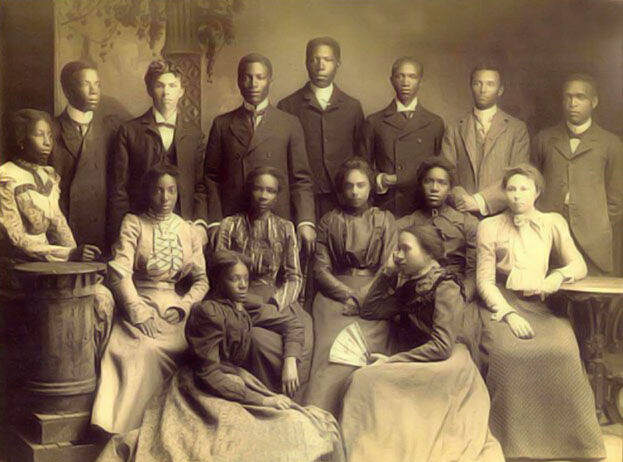
Paine College Historical Timeline
A Timeless Legacy
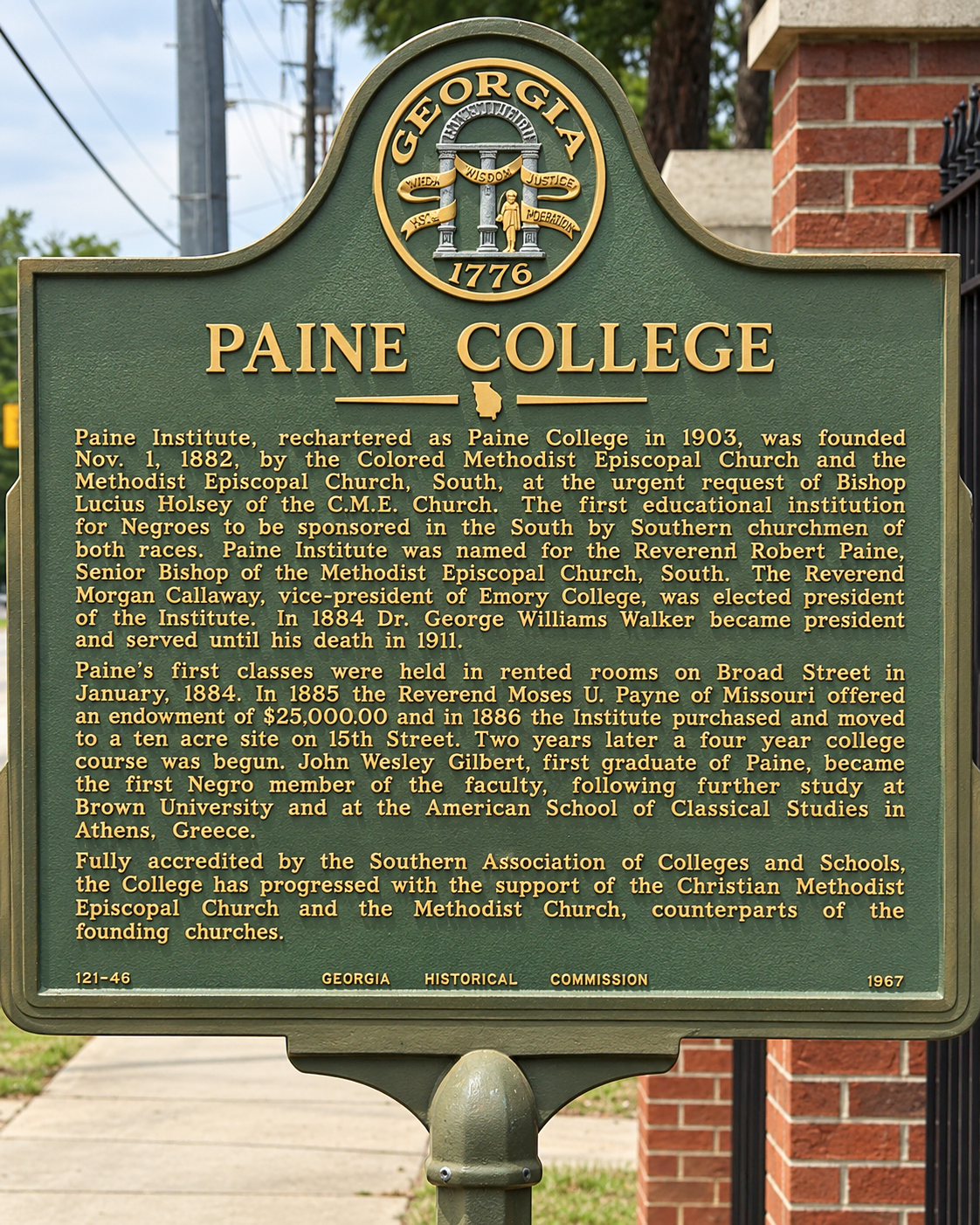
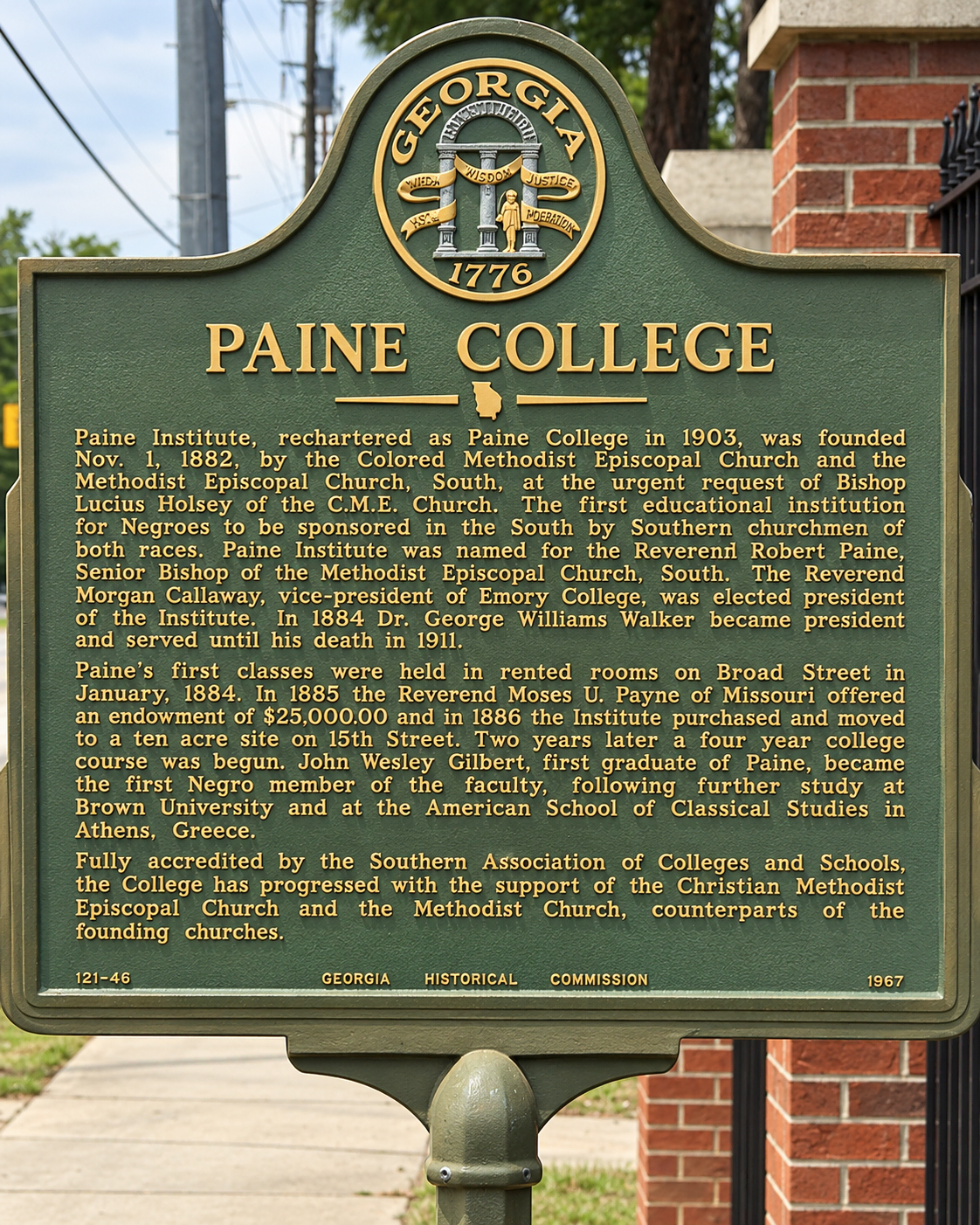
Paine College was founded by the leadership of the Methodist Episcopal Church South, now United Methodist Church, and the Colored Methodist Episcopal Church, now Christian Methodist Episcopal Church.
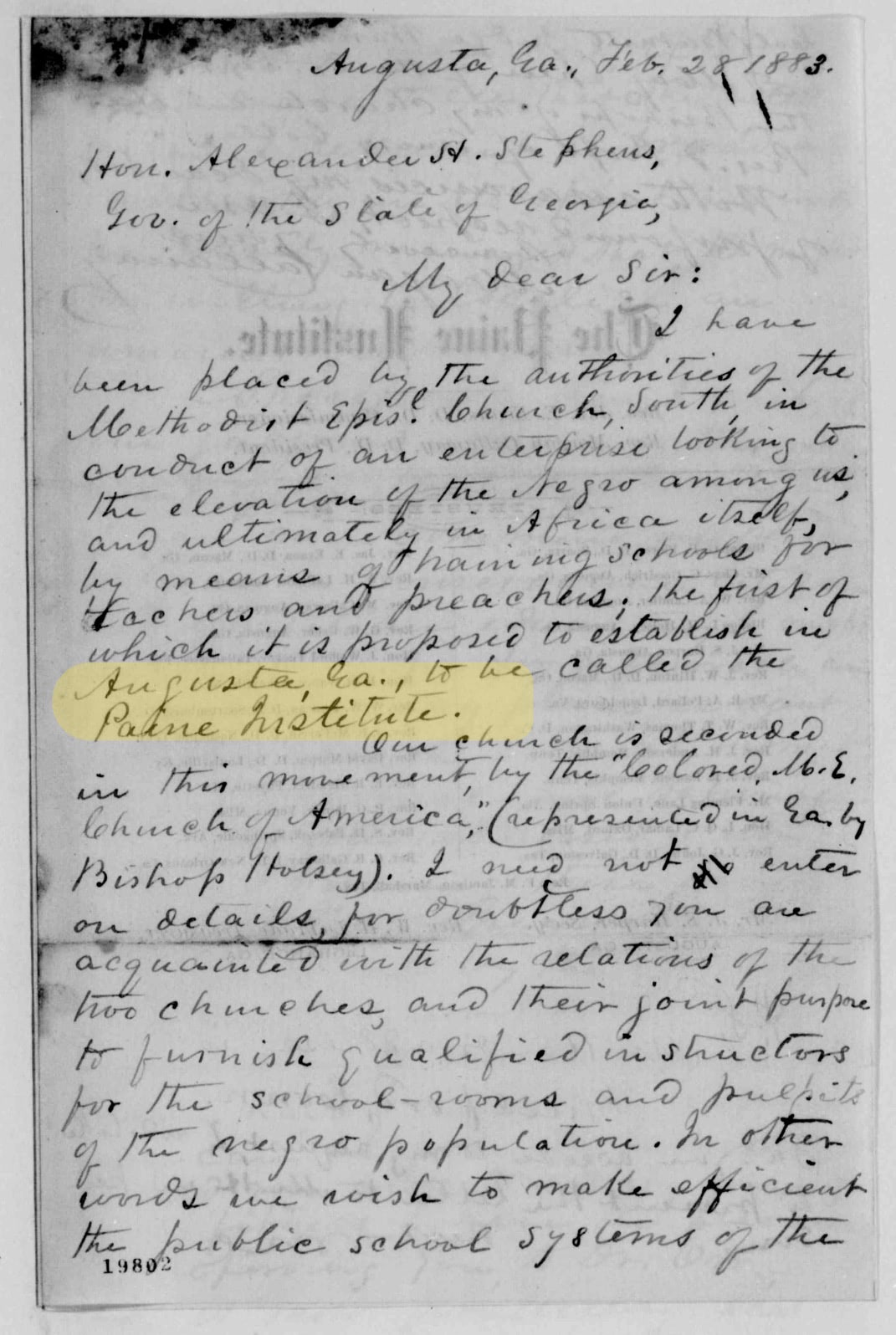
Paine Institute
1869
Birth Of A Dream
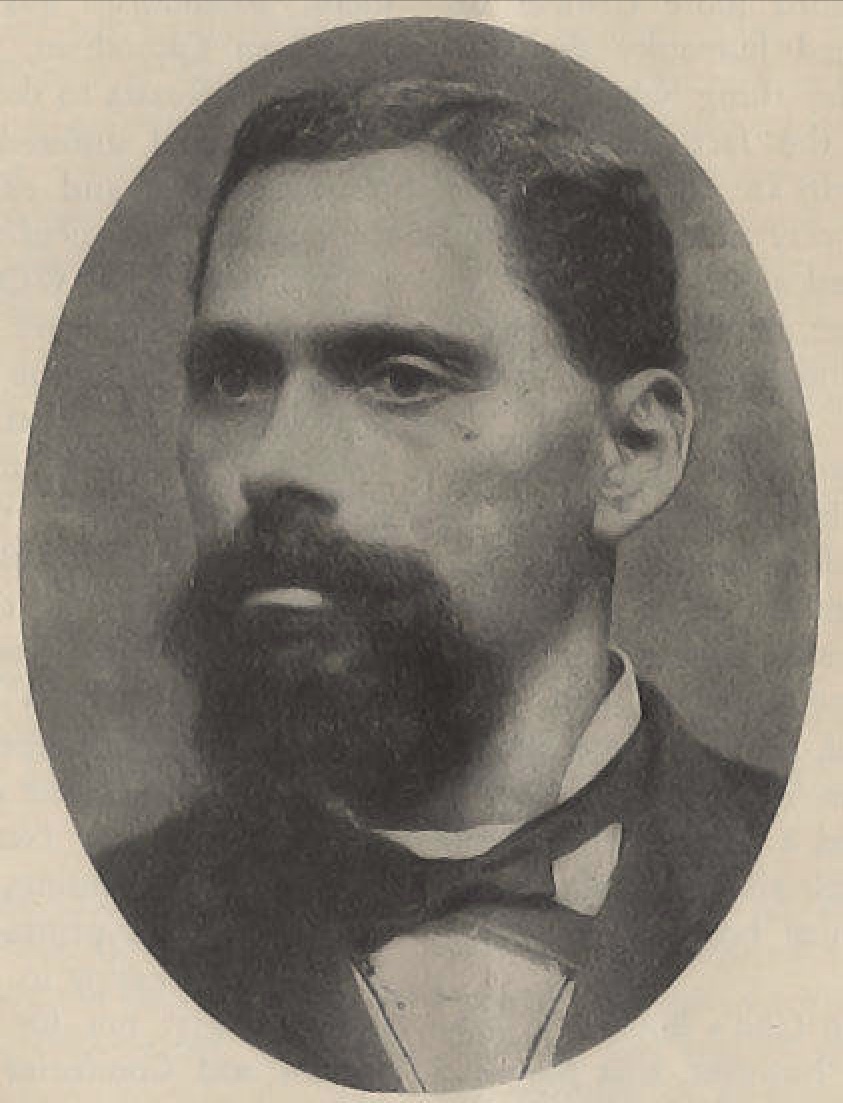
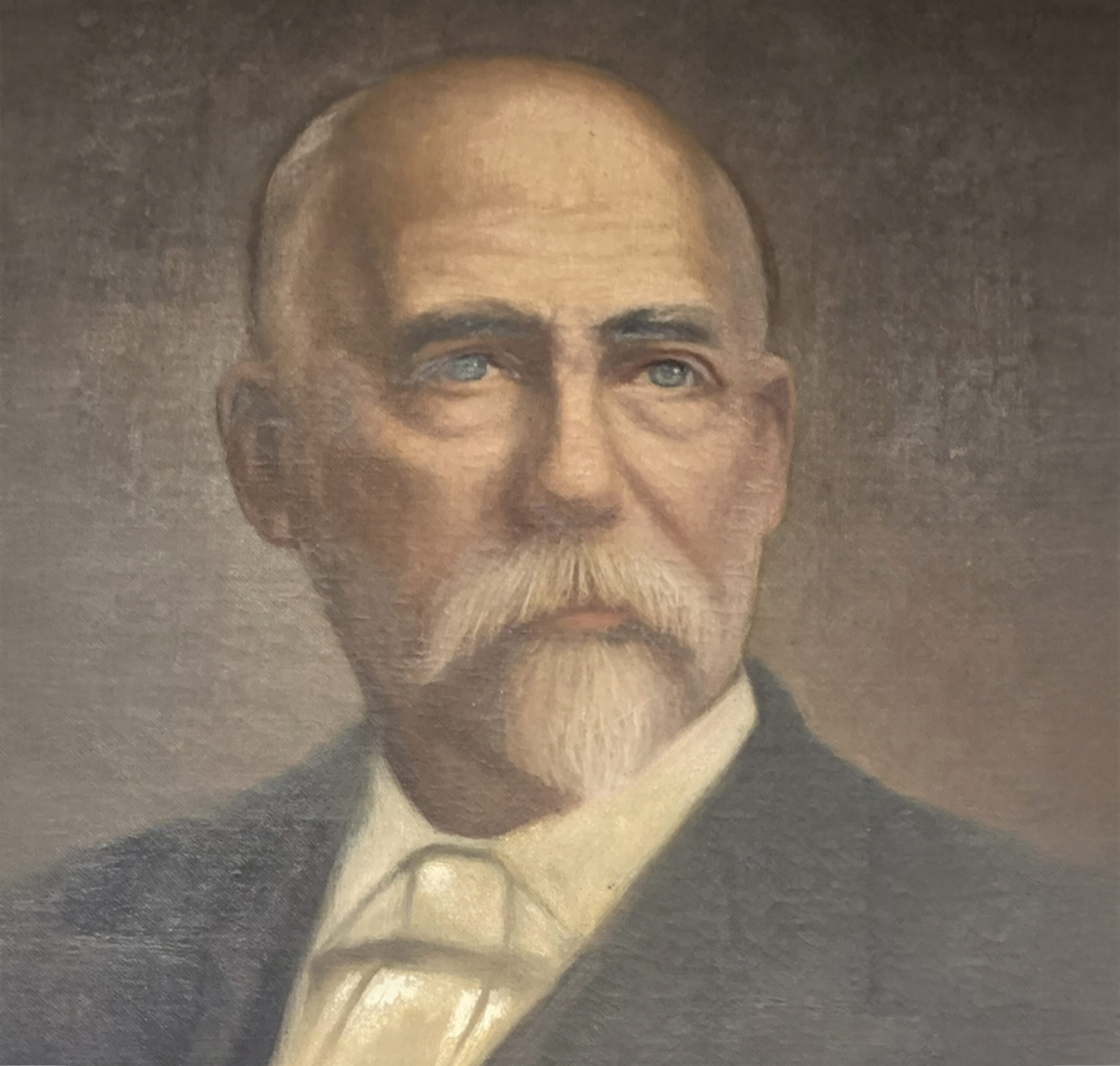
The origins of Paine College can be traced to Bishop Lucius Henry Holsey of the Colored Methodist Episcopal (C.M.E.) Church. Born into slavery on July 3, 1842, near Columbus, Georgia, Bishop Holsey later became a resident of Augusta. In 1869, he first proposed the establishment of an institution dedicated to educating African American teachers and ministers.
Recognizing the educational and spiritual needs of newly emancipated African Americans, Bishop Holsey sought the assistance of leaders of the Methodist Episcopal Church, South, in establishing a school to prepare teachers and ministers to serve these communities. The church leaders agreed to support the proposal, leading to the eventual establishment of Paine Institute.
Paine Institute
1882
November 1, 1882
First Board of Trustees
The first meeting of the Paine Institute Board of Trustees was held on November 1, 1882. The Board consisted of six members, with three representatives from the Methodist Episcopal Church, South, and three from the Colored Methodist Episcopal Church.
The Trustees agreed to name the institution in honor of the late Bishop Robert Paine of the Methodist Episcopal Church, South, who had assisted in organizing the C.M.E. Church.
Paine Institute
1882
1882-November 27, 1884
Selection of the First President
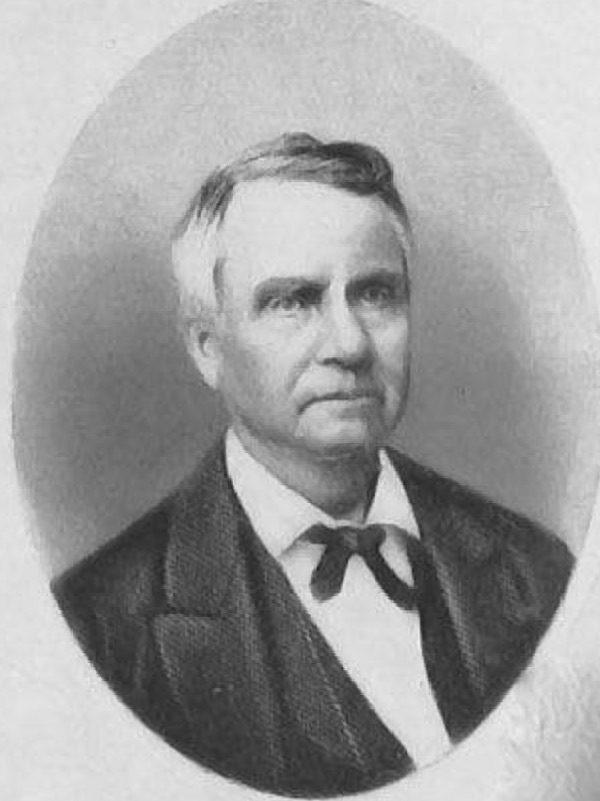
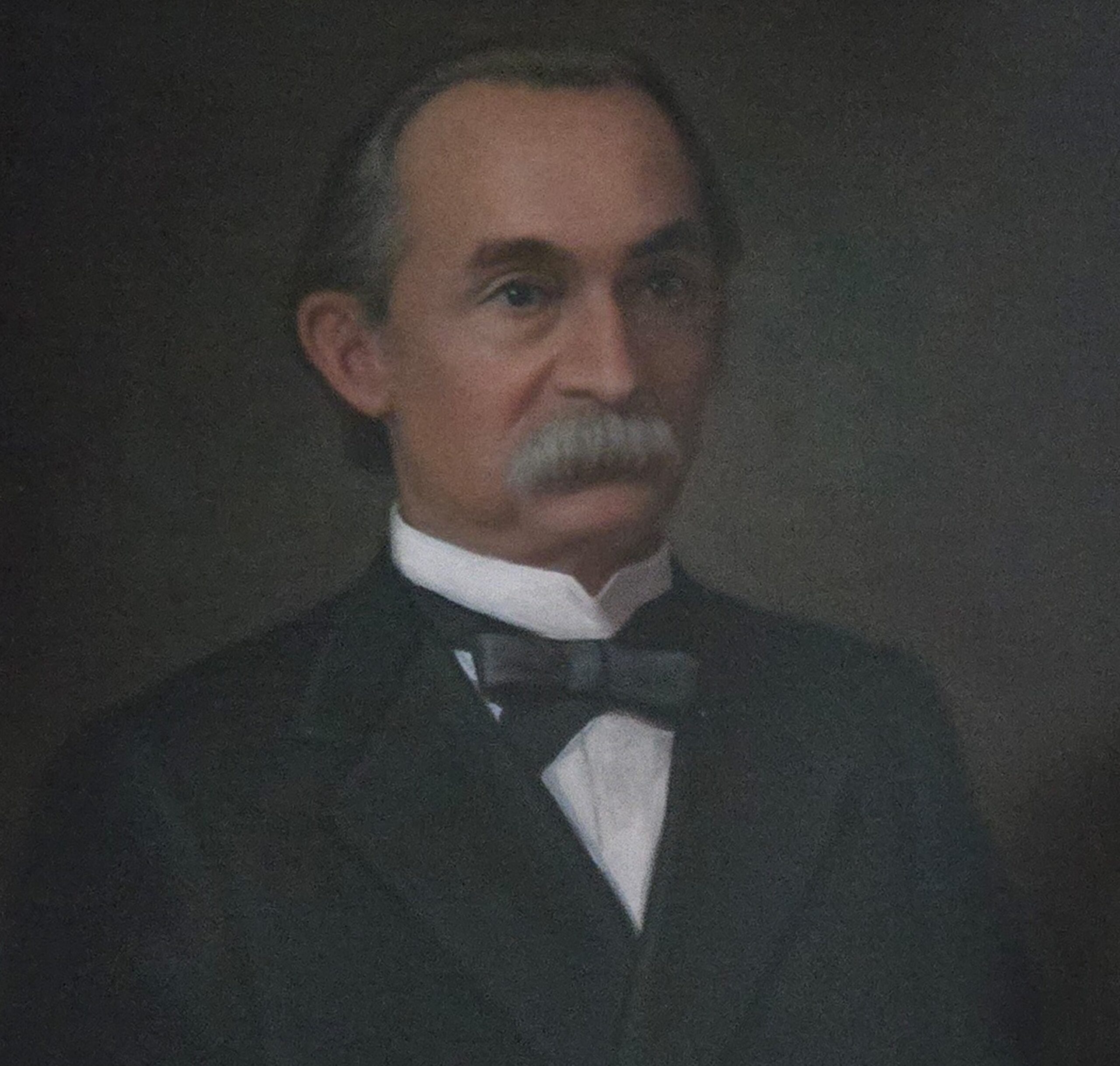
The Board of Trustees selected Dr. Morgan Callaway as the institution’s first President. The Board also expanded its membership from six to nineteen, appointing additional members from outside Georgia to establish broader regional representation.
Paine Institute
1882
December 12, 1882
Early Financial Support
Bishop Holsey traveled throughout the Southeast to raise funds for the new institution. On December 12, he presented the Trustees with $7.15 collected from the Virginia Conference and $8.85 from the South Georgia Conference.
That same month, Reverend Atticus Haygood of the Methodist Episcopal Church, South, contributed $2,000 to support President Callaway during his first year.
These contributions, totaling $2,016, formed the initial financial foundation of Paine Institute. The $16 raised by Bishop Holsey represented contributions collected from formerly enslaved African Americans.
Paine Institute
1883
Incorporation and First Faculty Appointment
Paine Institute received its Charter of Incorporation in 1883. The Trustees also elected Dr. George Williams Walker as the institution’s first teacher on July 17, 1883.
Paine Institute
1884
January 1884
Classes Begin
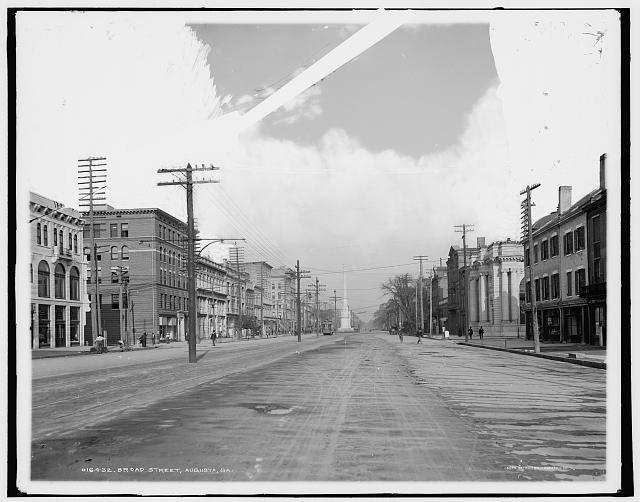
Paine Institute began offering classes in rented facilities on Broad Street in downtown Augusta, Georgia.
Paine Institute
1884
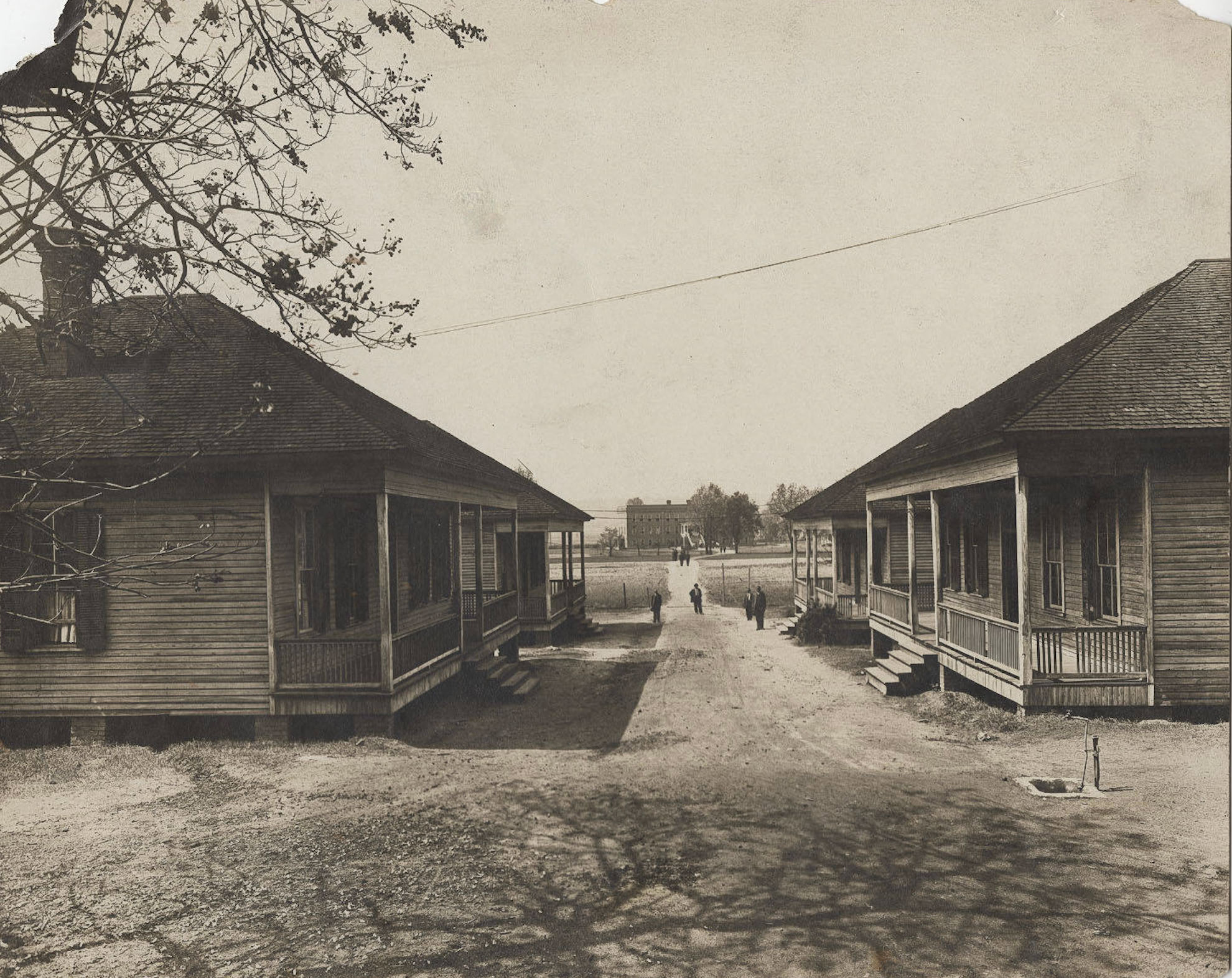
Mens Cottage
Paine Institute
1884
December 28, 1884
Paine’s Second President
Following the resignation of Dr. Morgan Callaway, Reverend George Williams Walker was elected President of Paine Institute.
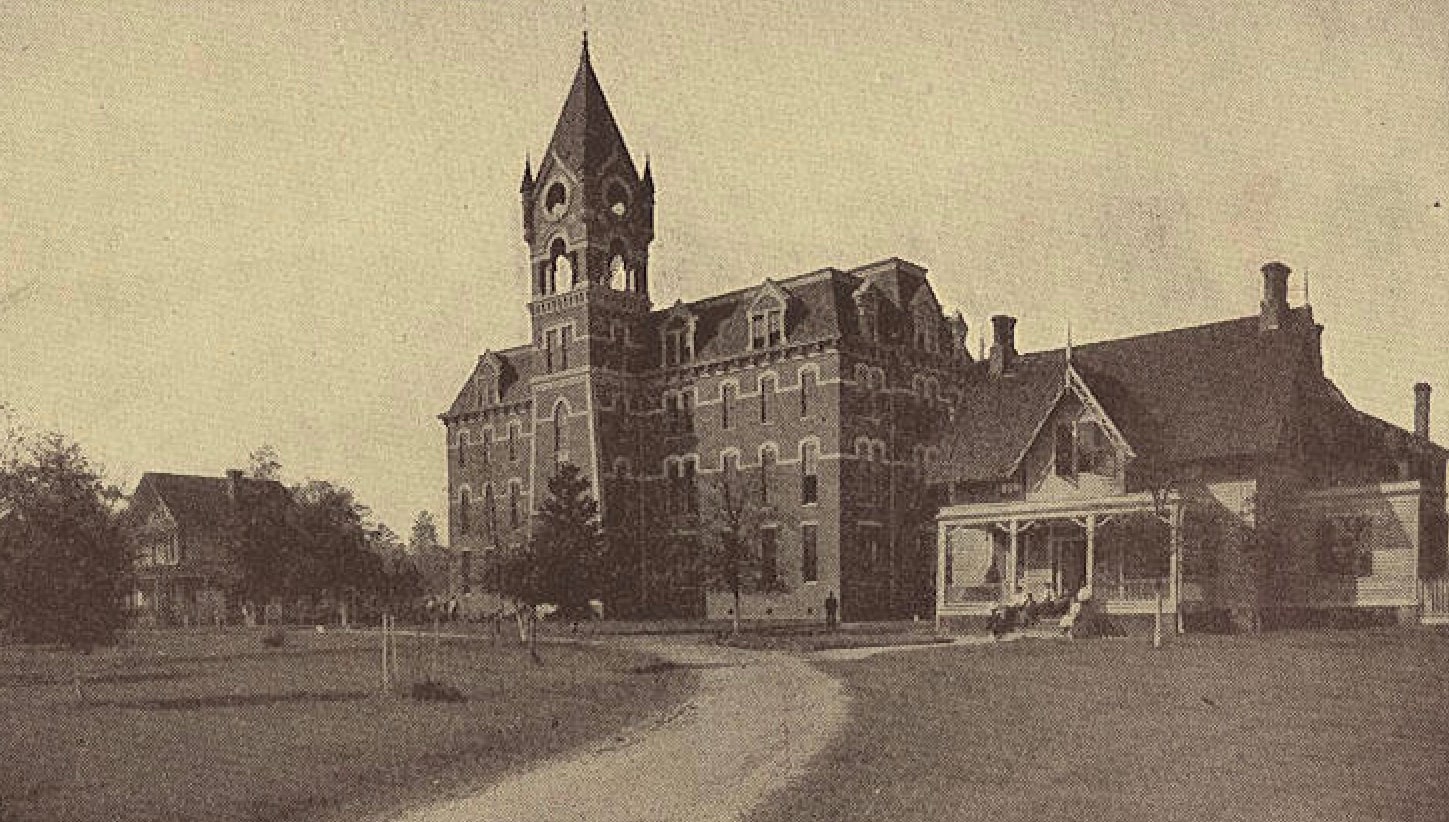
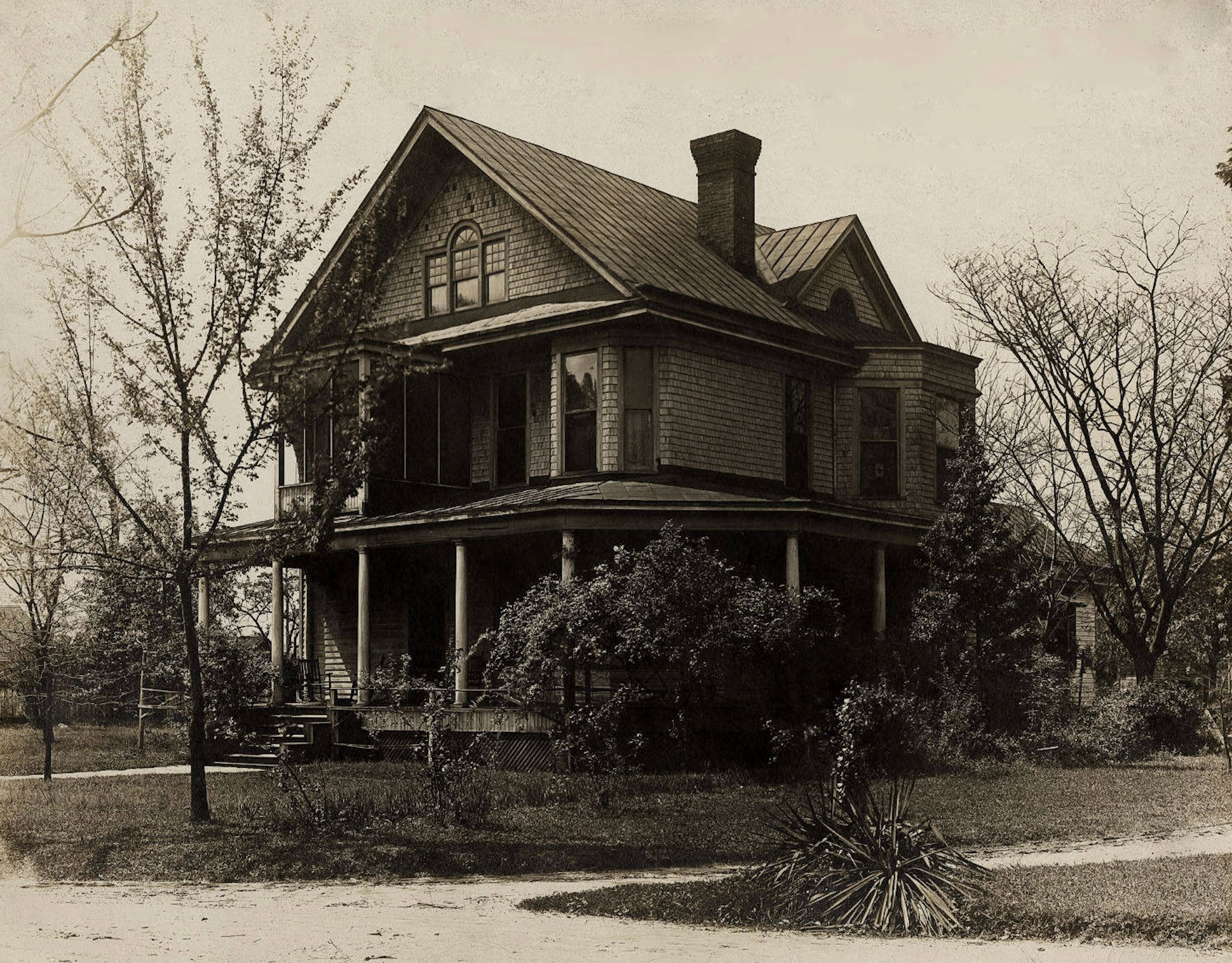
During Dr. Walker’s administration, the institution experienced significant growth and development. The faculty became integrated, and several important buildings were constructed, including Hosley Hall, Haygood Hall, the president’s residence, and several cottages.
During his administration, the institution’s name was changed from Paine Institute to Paine College, and the school was rechartered.
Paine Institute
1886
Relocation to 15th Street
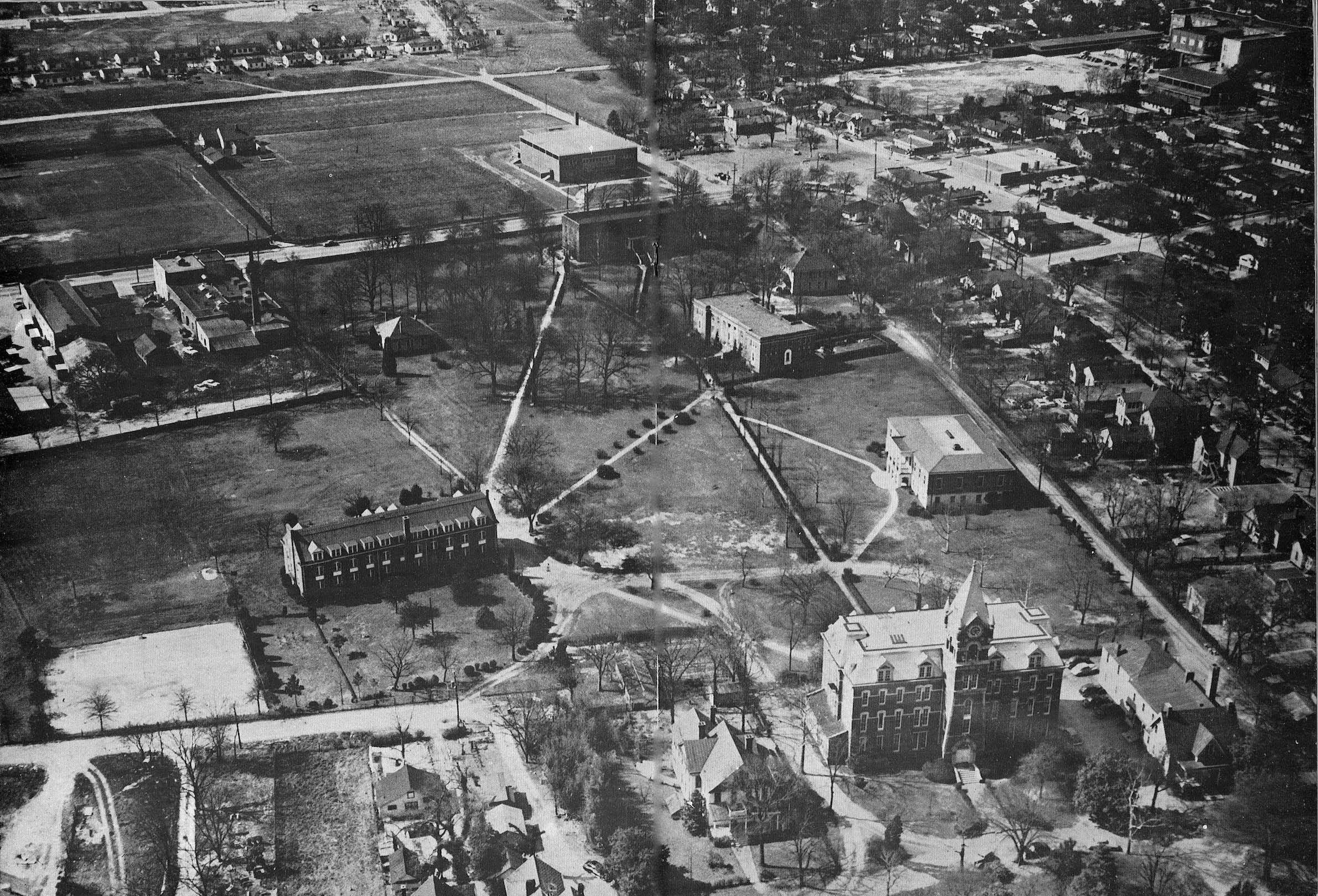
Paine Institute relocated from its original rented quarters to its present campus site on Fifteenth Street in Augusta, Georgia.
Paine Institute
1888
Endowment and Faculty Integration
Reverend Moses U. Payne, a minister of the Methodist Episcopal Church, South, from Missouri, contributed $25,000 to establish an endowment for Paine Institute.
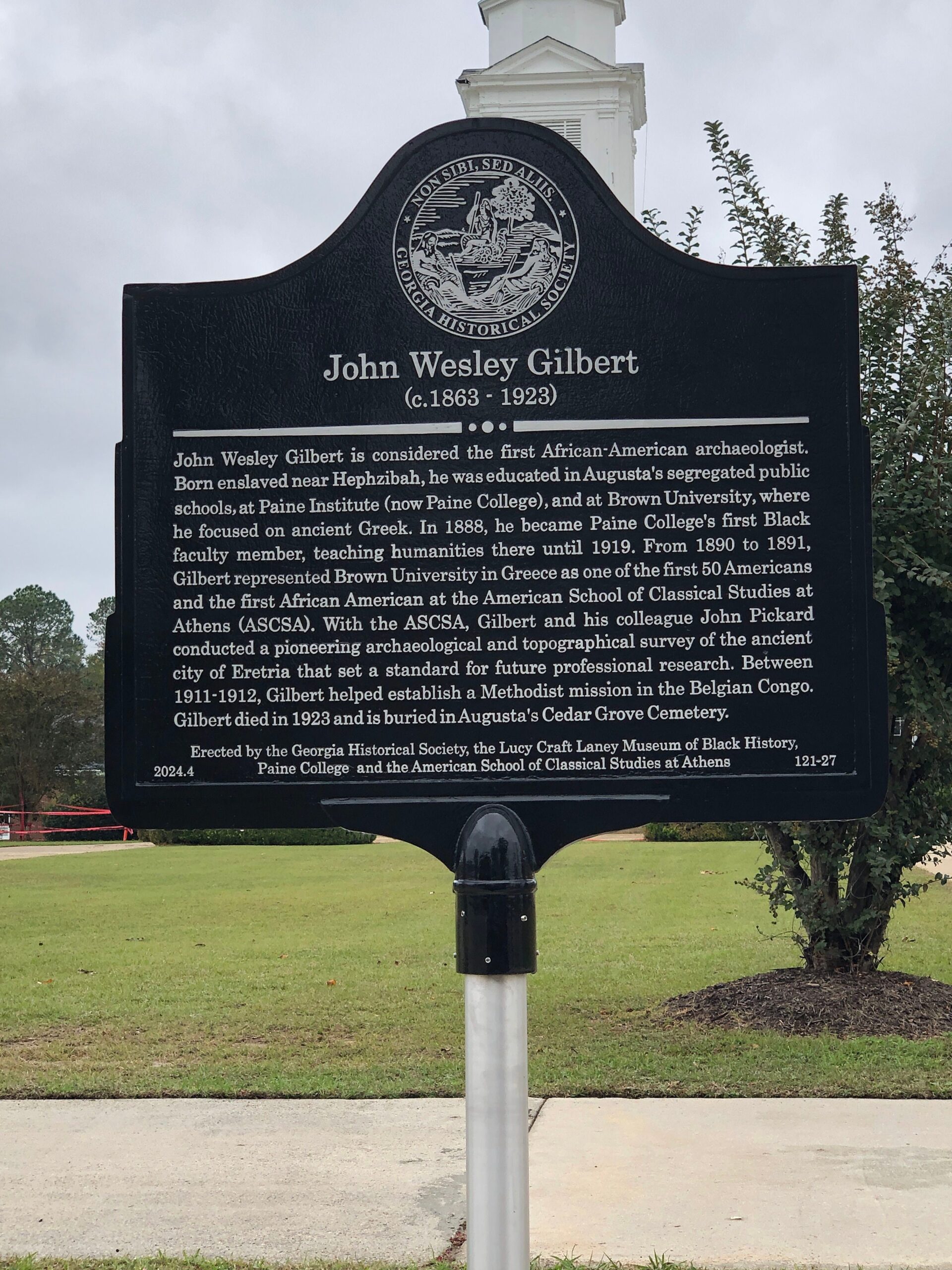
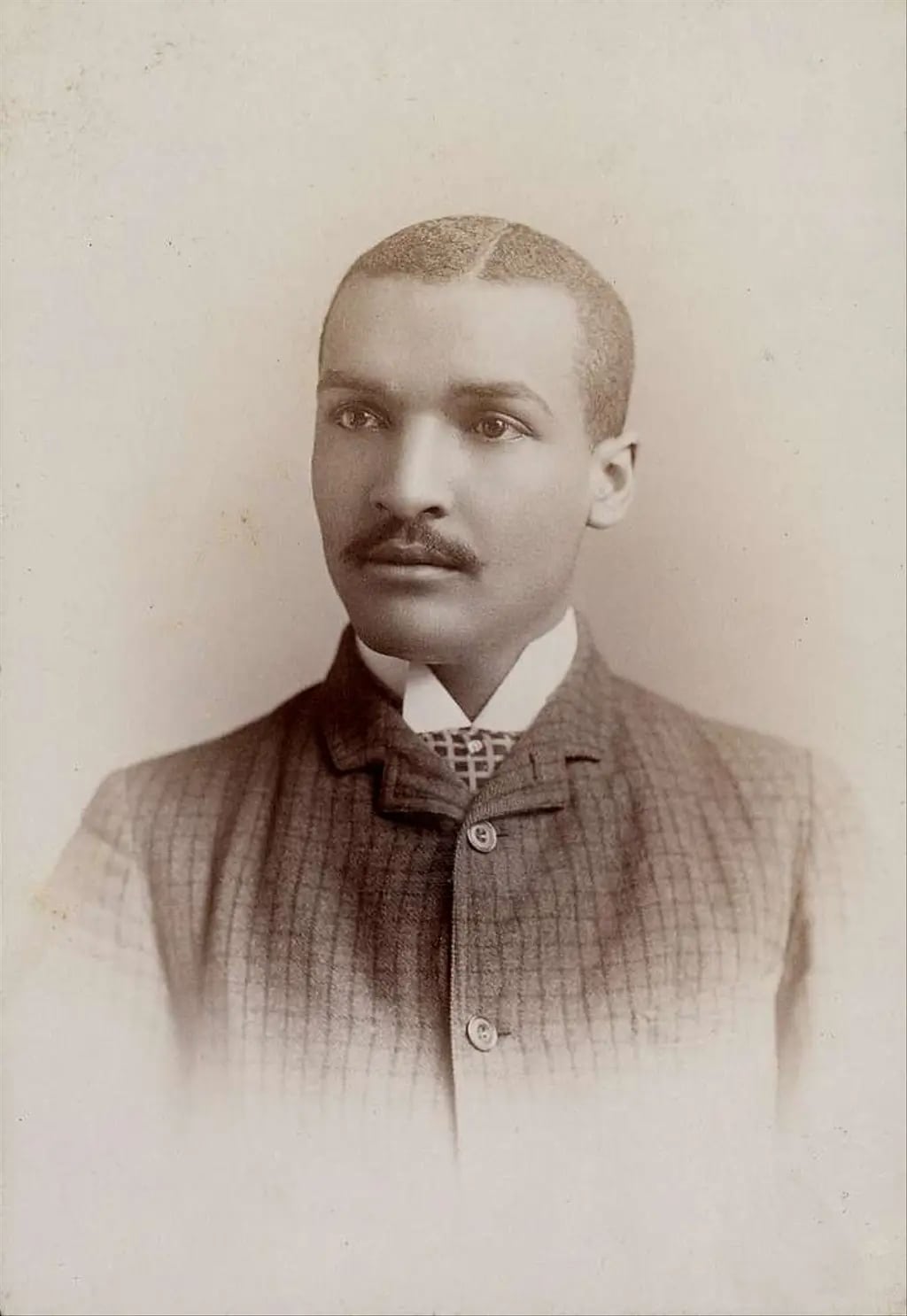
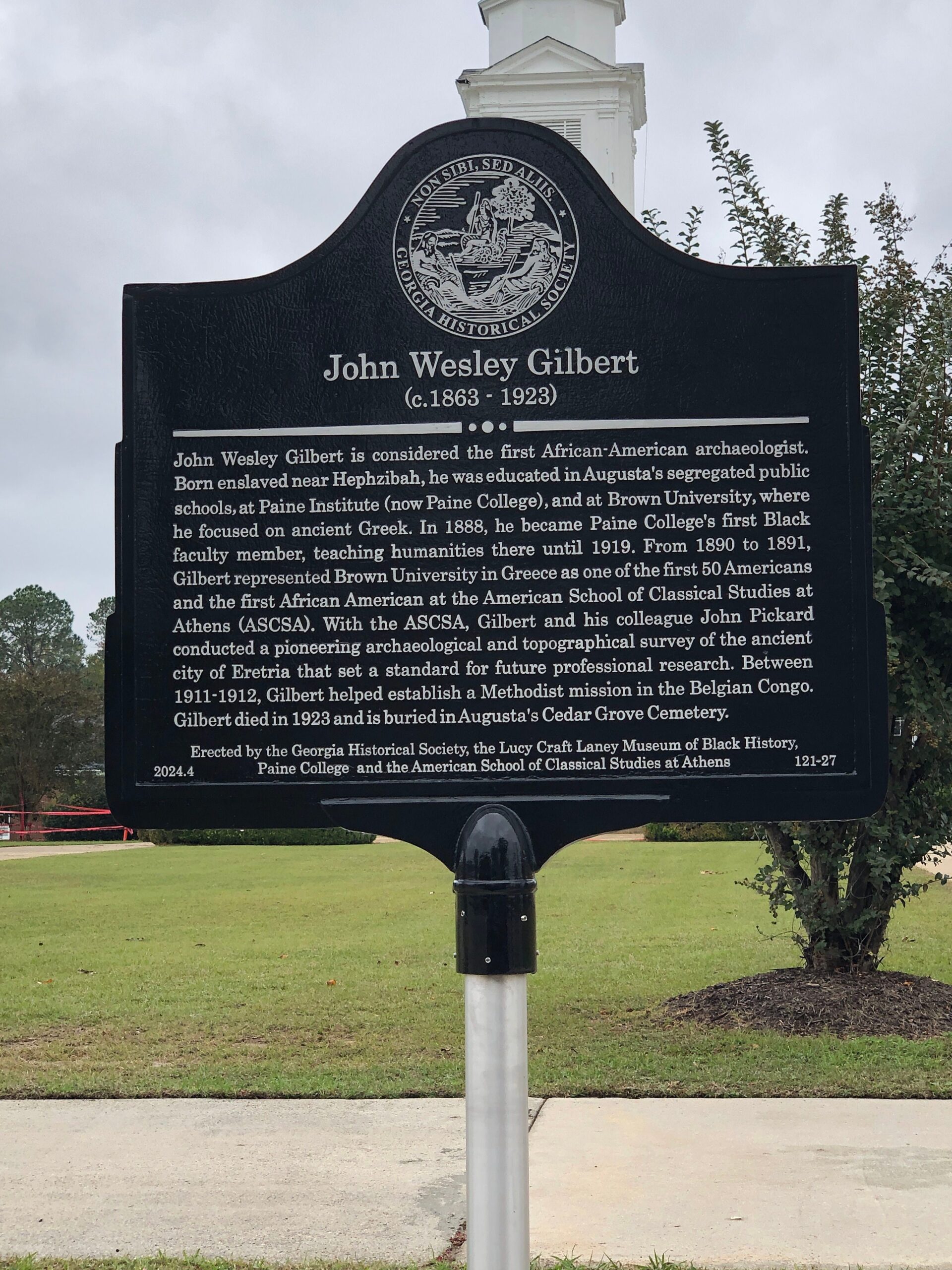
That same year, Trustee W. A. Candler introduced a resolution authorizing President Walker to employ John Wesley Gilbert, Paine’s first student and first graduate, as the institution’s first African American faculty member.
Gilbert’s appointment established Paine’s tradition of maintaining a biracial faculty.
Paine College
1900
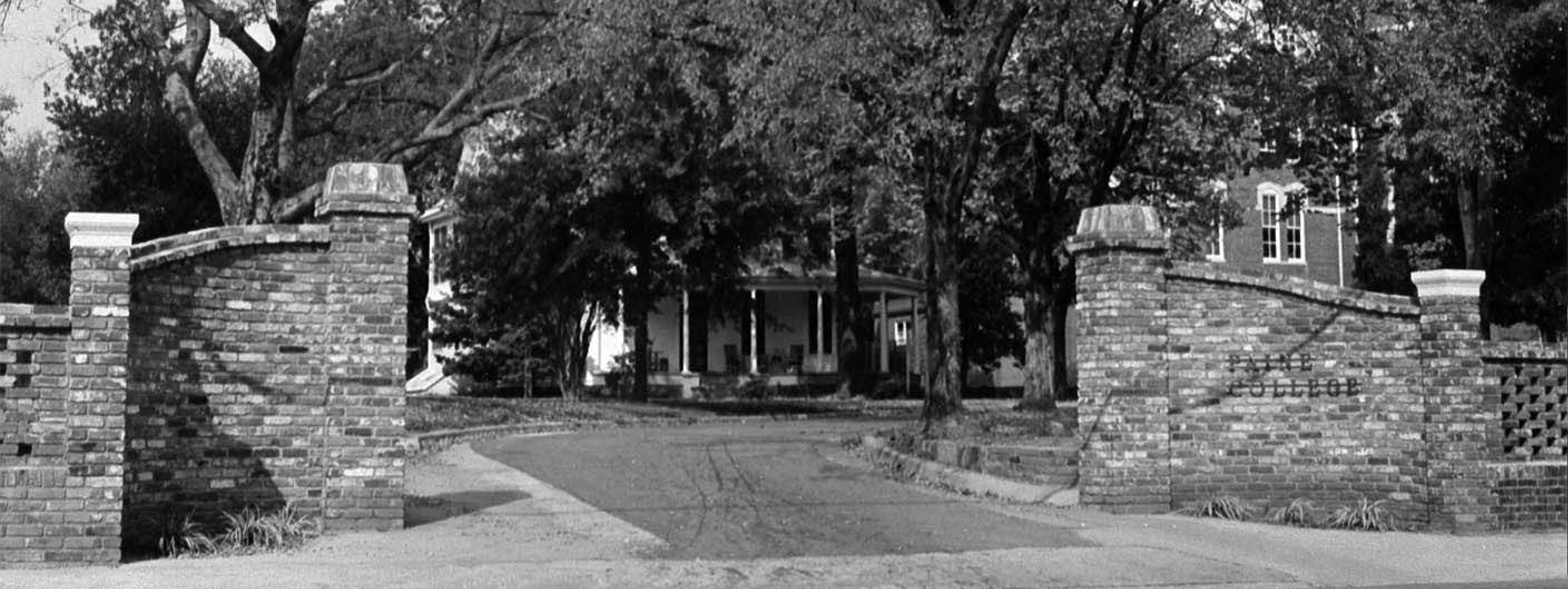
Paine Entrance
Paine College
1903
Paine Institute Becomes Paine College
Paine Institute initially offered secondary education while gradually developing a college department. Advanced students first received individual instruction, but by 1903 the institution offered sufficient college-level coursework to warrant a change in name from Paine Institute to Paine College.
Paine College
1911
May 17, 1911
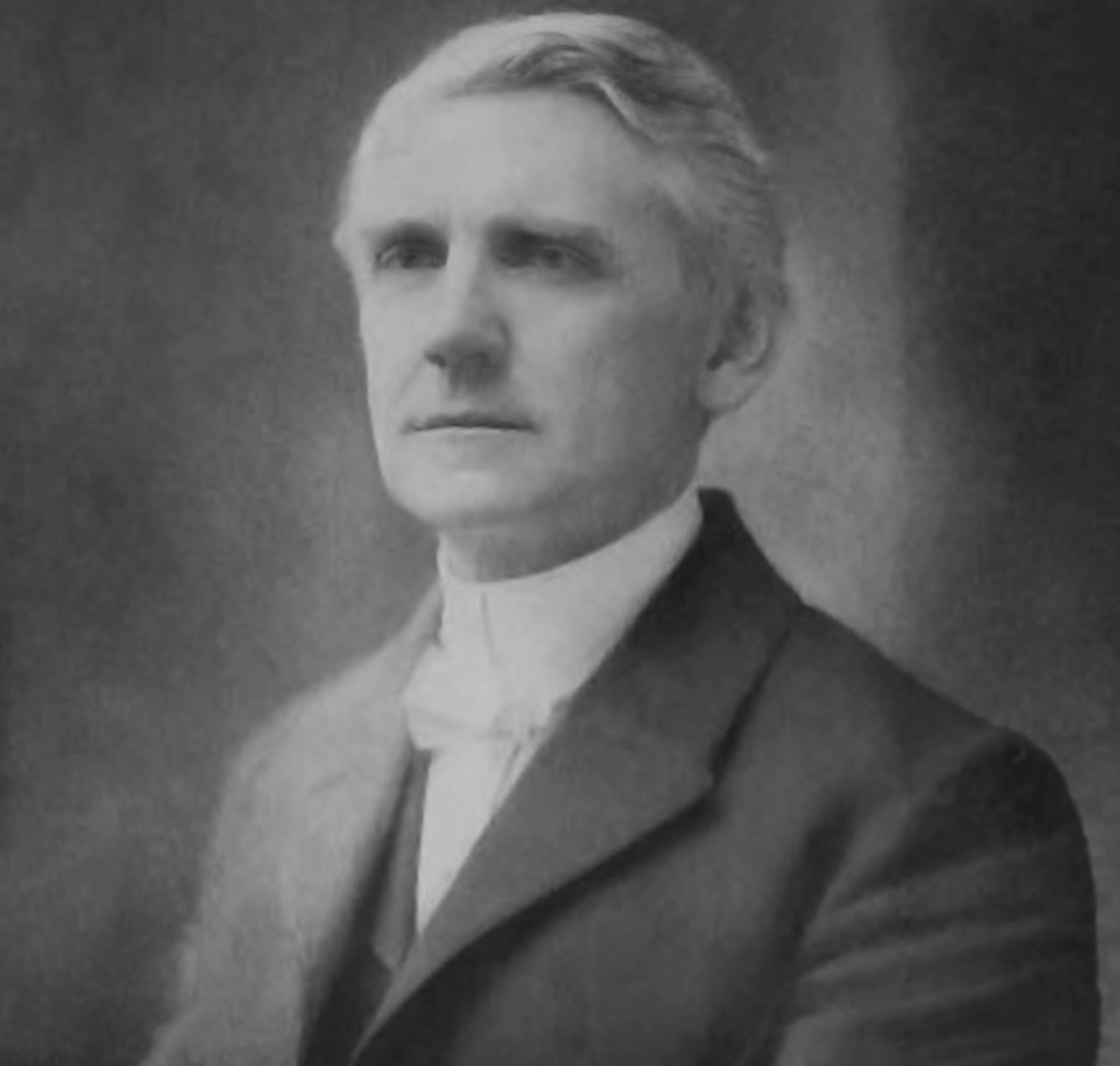
Death of President George Williams Walker
President George Williams Walker died on May 17, 1911, after leading the institution for approximately twenty-six years.
Paine College
1911
1911-1915
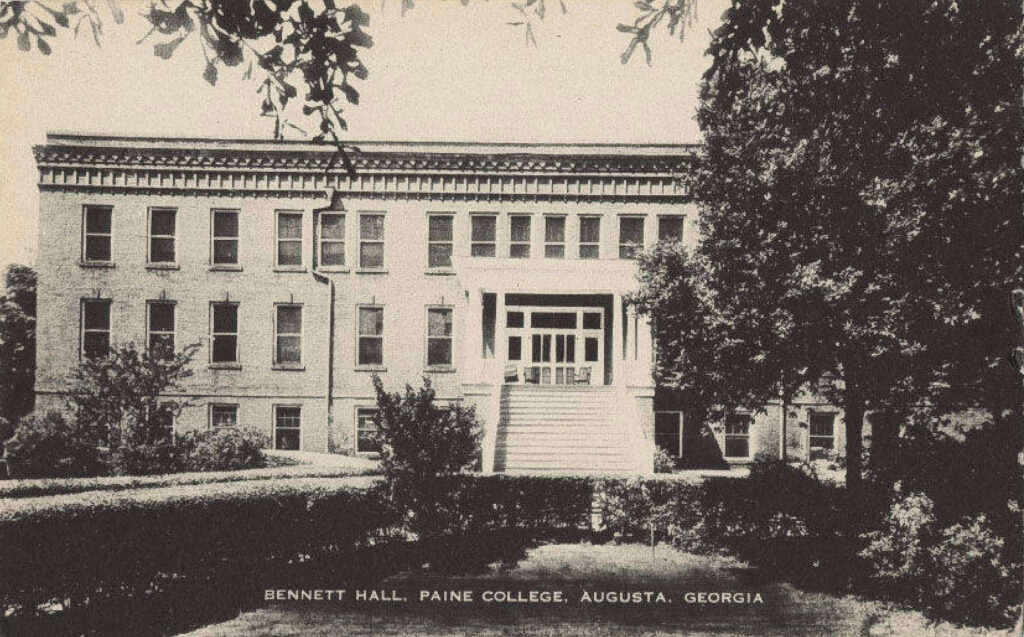
Rev. John D. Hammond named Third President
The Rev. Hammond served as a minister in the M.E. Church within the North Georgia Conference. Bennett Hall, named in honor of Miss Belle H. Bennett, was constructed during his tenure.
Paine College
1915
June 4, 1915 - 1917
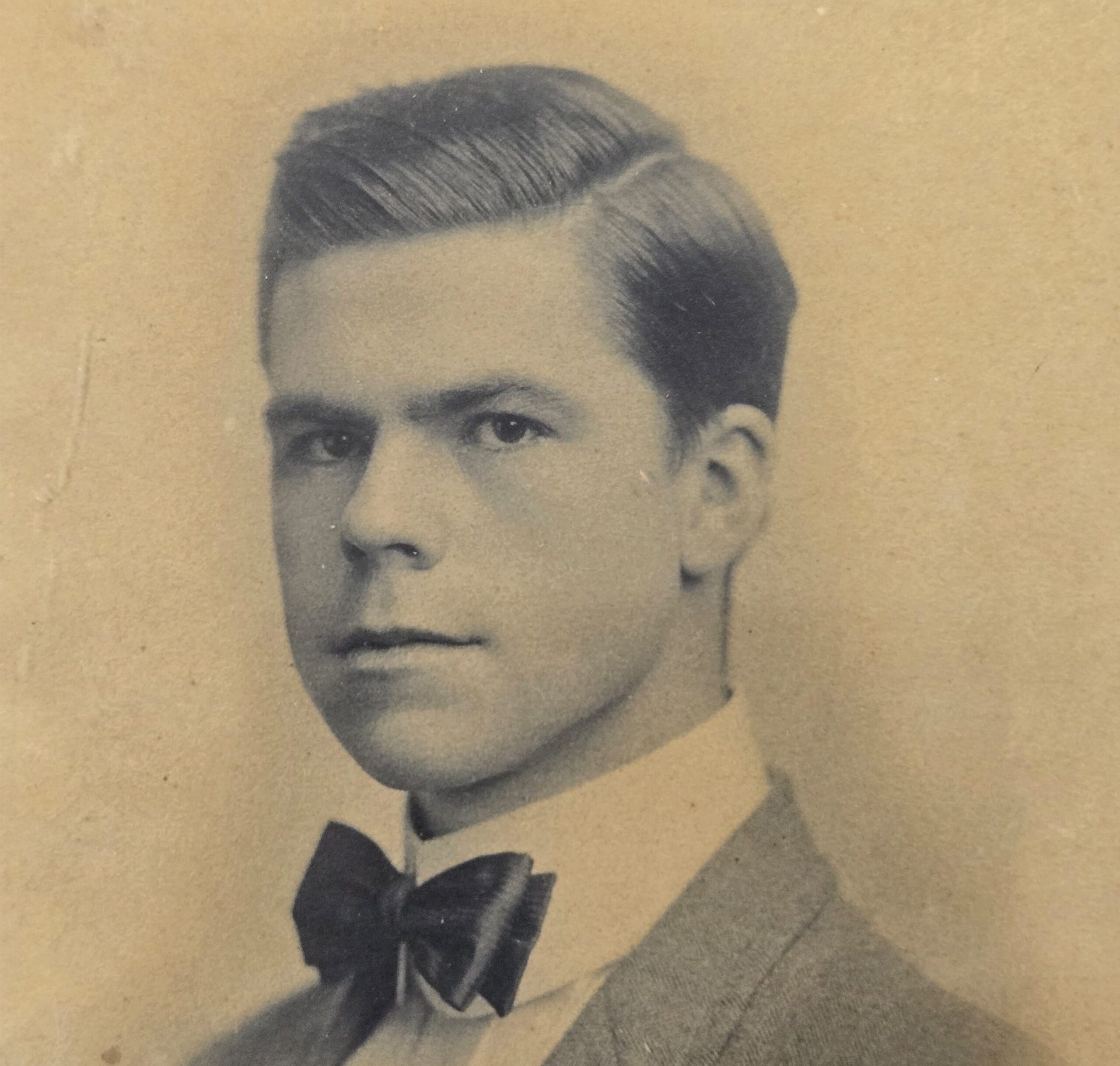
Daniel E Atkins, Acting President to 4th President of Paine College
At just 28 years old, Daniel E. Atkins became the youngest president in Paine College’s history and served the shortest presidential tenure. His leadership coincided with the World War I era.
Paine College
1917
1917-1921
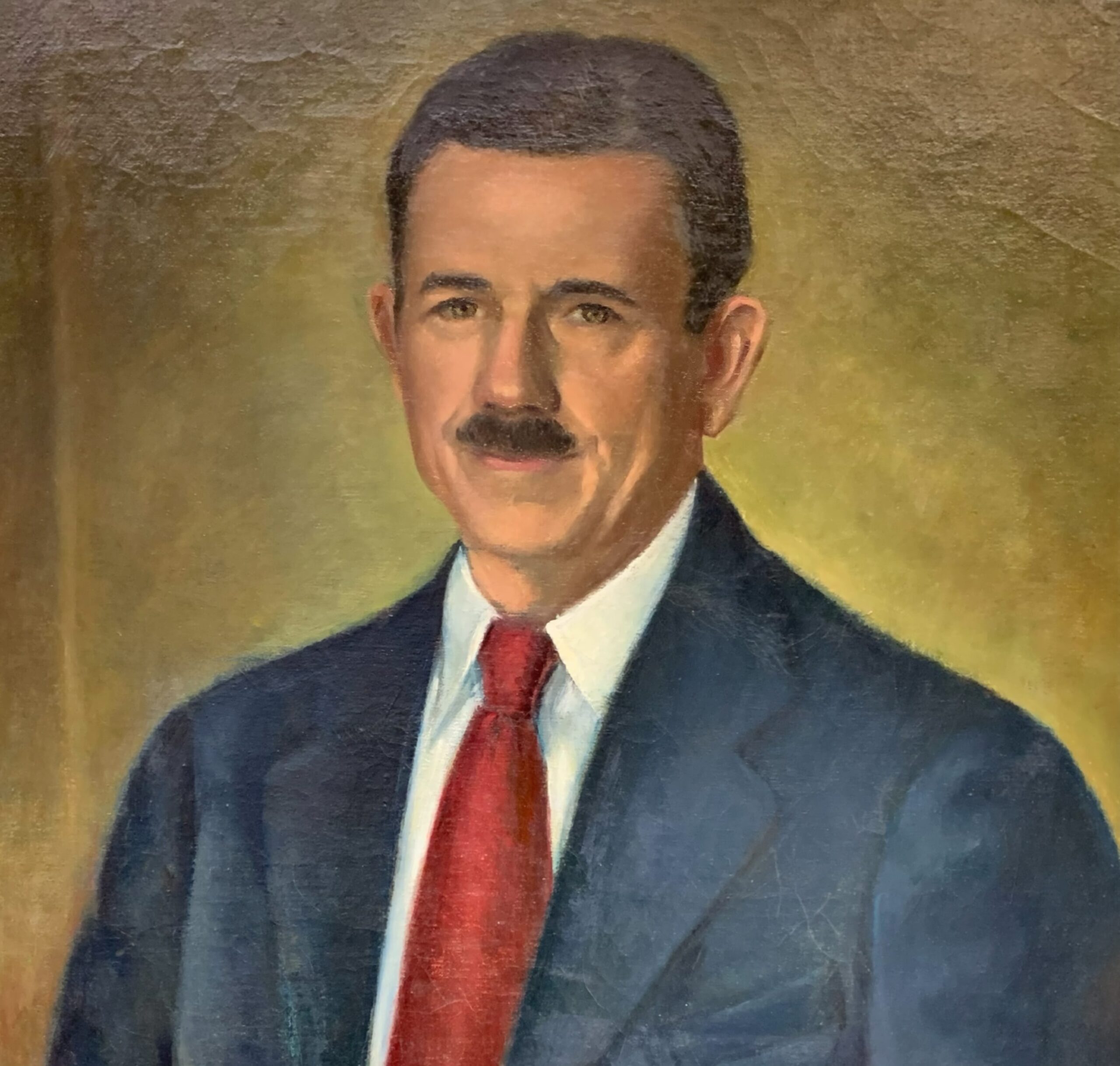
Albert Deems Betts, 5th President
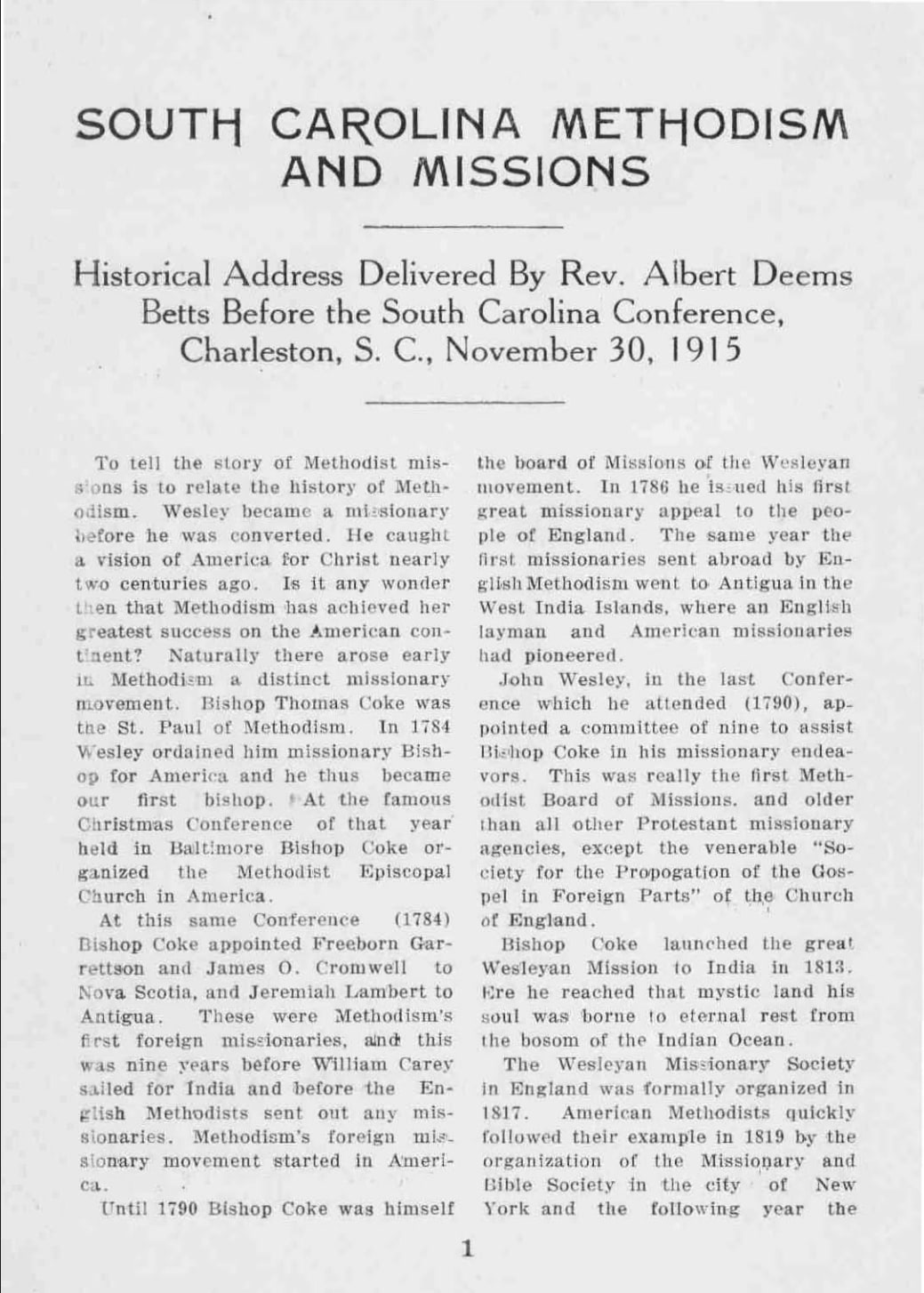
Born in the same year as Paine’s founding, 1882, President Betts was a Methodist minister from the South Carolina Conference. His administration marked a period of significant institutional expansion, highlighted by the acquisition of 91 acres of property. In 1918, the Southern Methodist General Conference authorized an ambitious $400,000 fundraising campaign to support the College’s continued growth. A religious historian and writer, Betts had previously addressed the South Carolina Methodist Conference on the history of missionary work. His leadership coincided with the closing years of World War I and the beginning of a new era of educational development at Paine College.
Paine College
1921
1921-1929
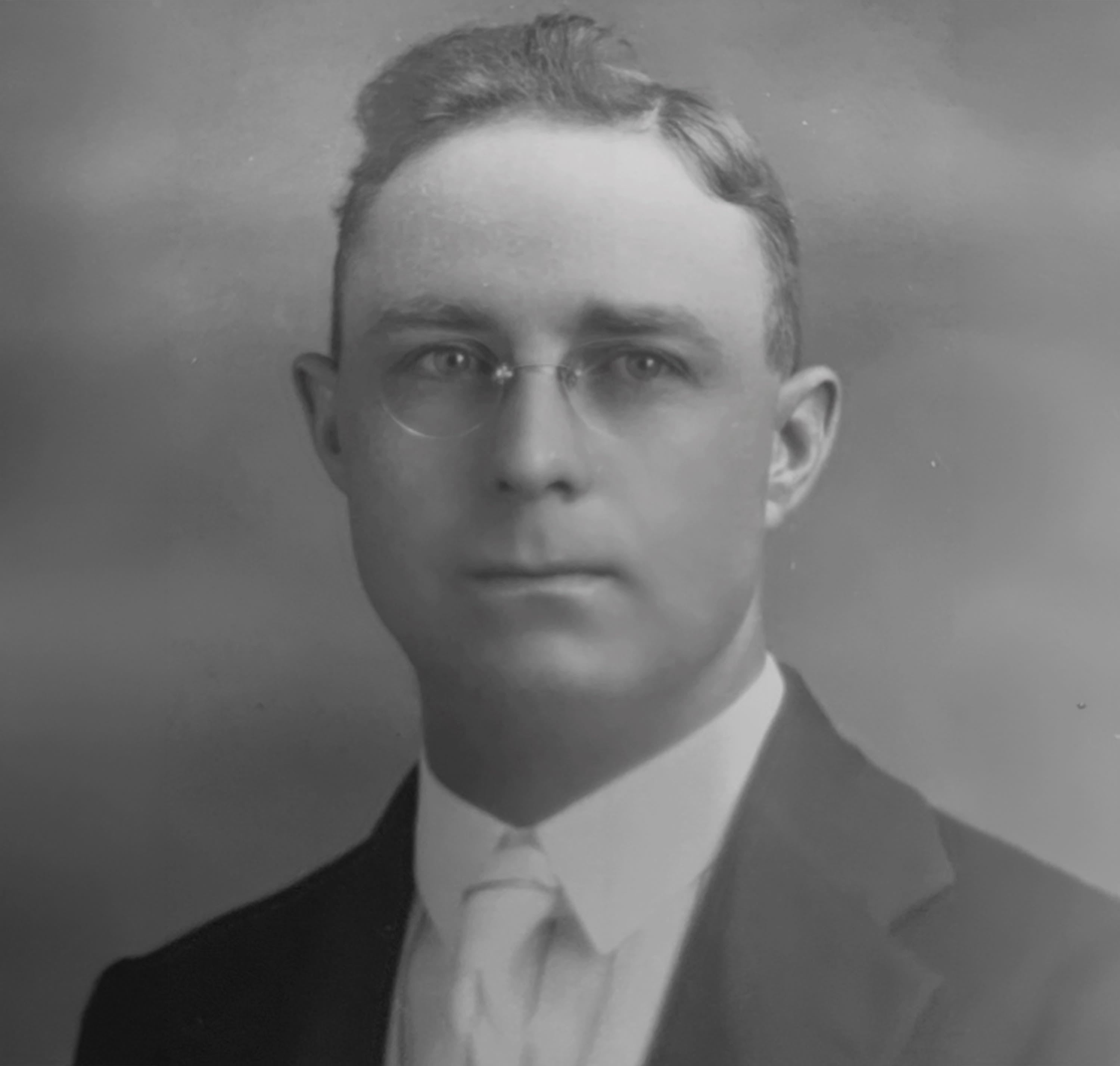
Ray Silver Tomlin, 6th President
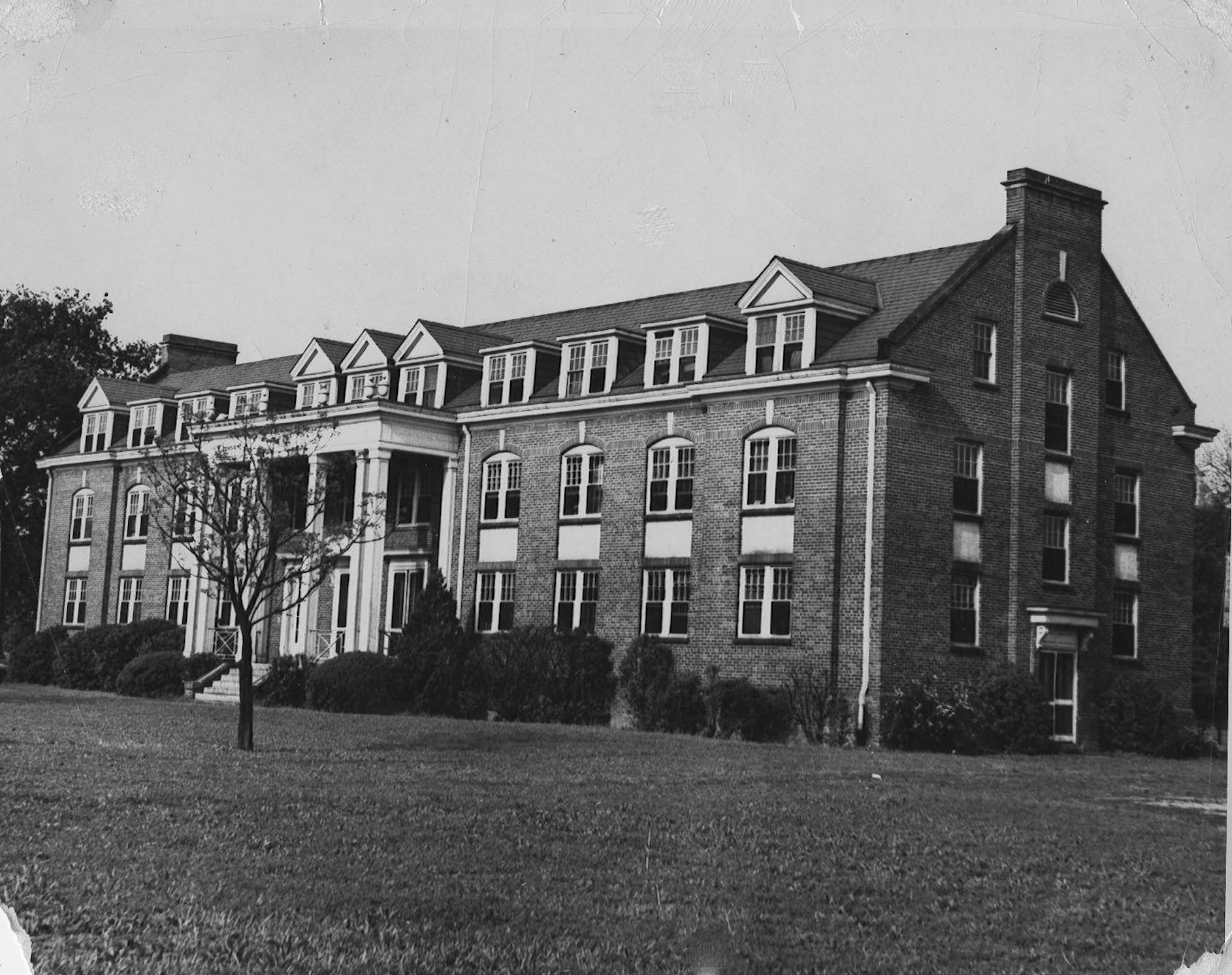
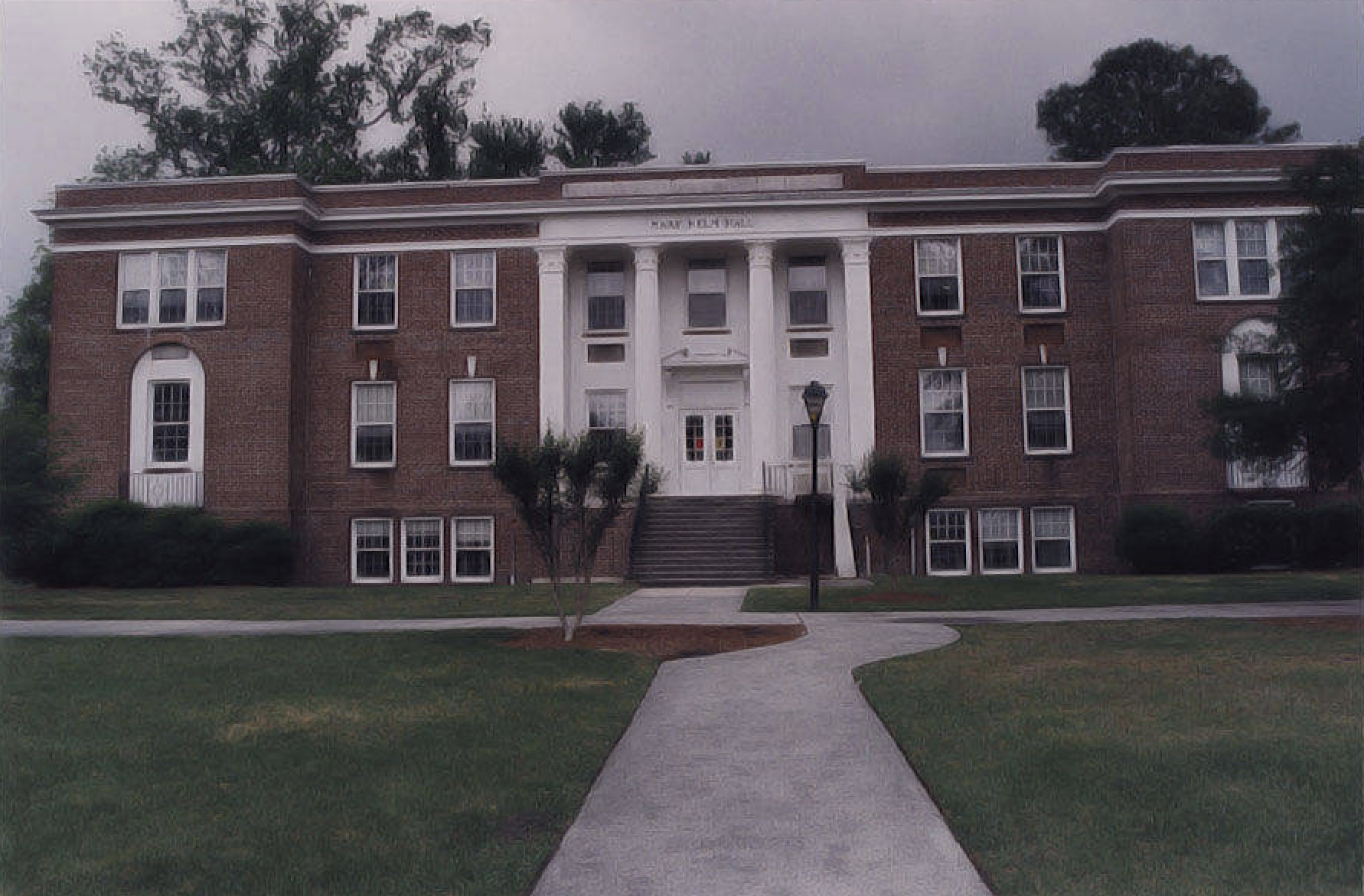
A Methodist minister and educator, Reverend Ray Silver Tomlin assumed leadership of Paine College as Acting President in 1921, following the administration of Albert Deems Betts.
Paine College
1929
1929-1956
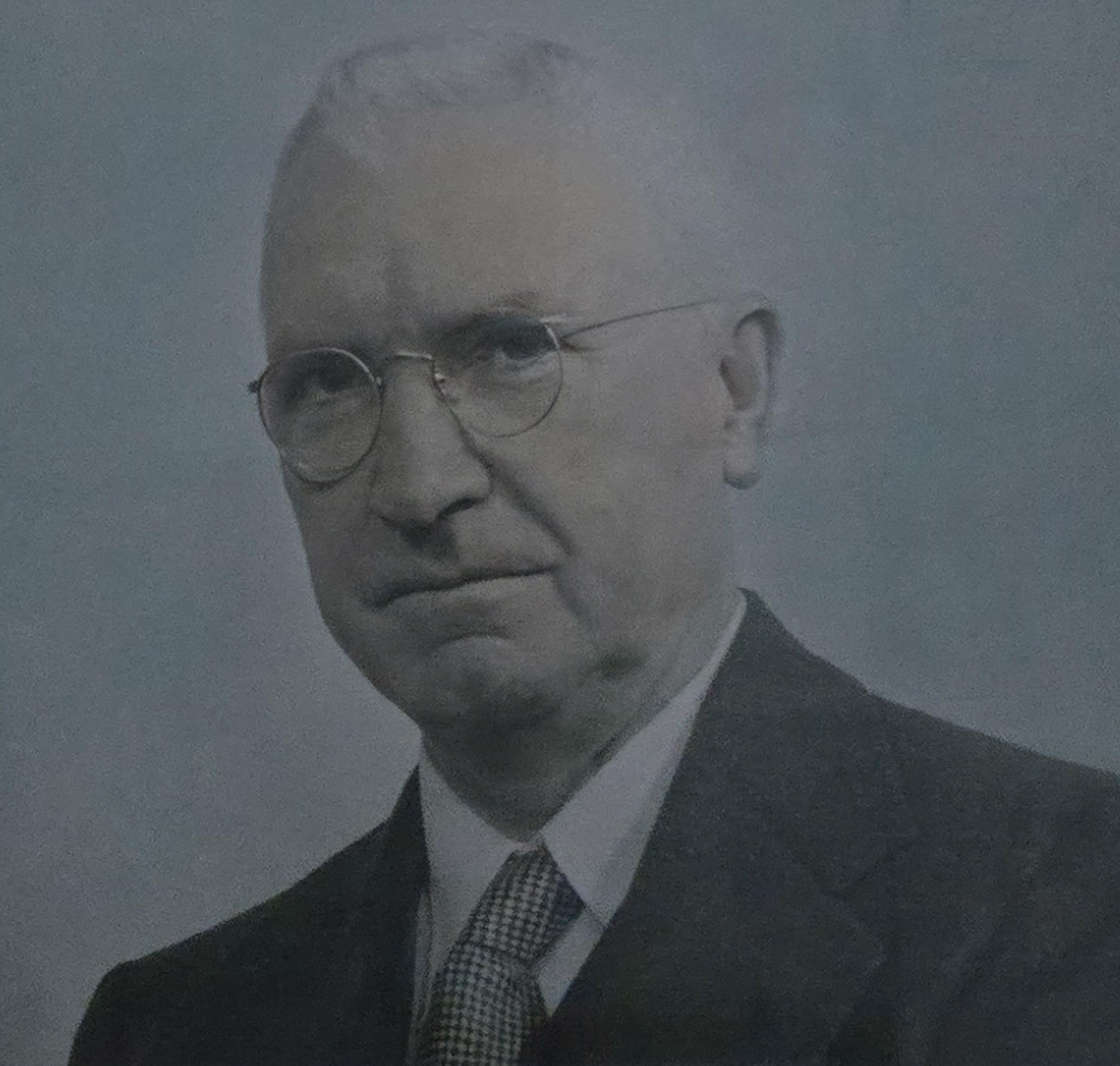
Seventh President, Edmund Clarke Peters
Dr. Edmund Clarke Peters served as President of Paine College from 1929 to 1956. During his administration, Paine College achieved full membership in the Southern Association of Colleges and Schools, and the curriculum was revised to better meet students’ needs. The Golden Jubilee was celebrated, and the Paine College Ideal was composed during his tenure. Warren A. Candler Library, Randall A. Carter Gymnasium, and the George Williams Walker Science Building were also constructed.
Paine College
1931
Class B Accreditation
Paine College received accreditation as a Class B institution from the Southern Association of Colleges and Secondary Schools.
Paine College
1945
Class A Accreditation and Closure of the High School Department
Paine College advanced to Class A accreditation under the Southern Association of Colleges and Secondary Schools.
The College also discontinued its high school department in 1945. Until that year, Paine had continued providing secondary education because Augusta lacked a public secondary school for African American students.
Paine College
1946
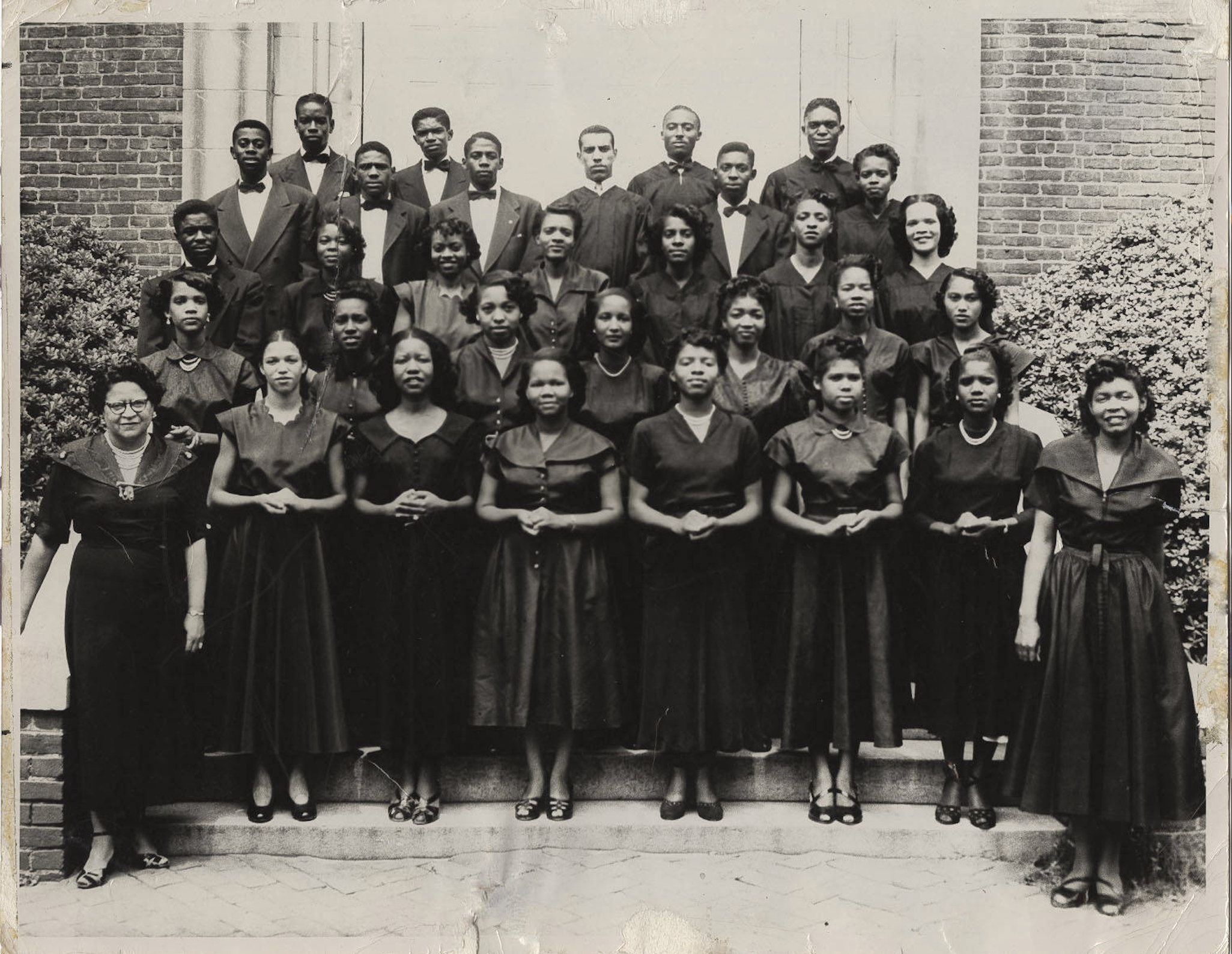
Choir
The Modern Era
1956
1956-1970
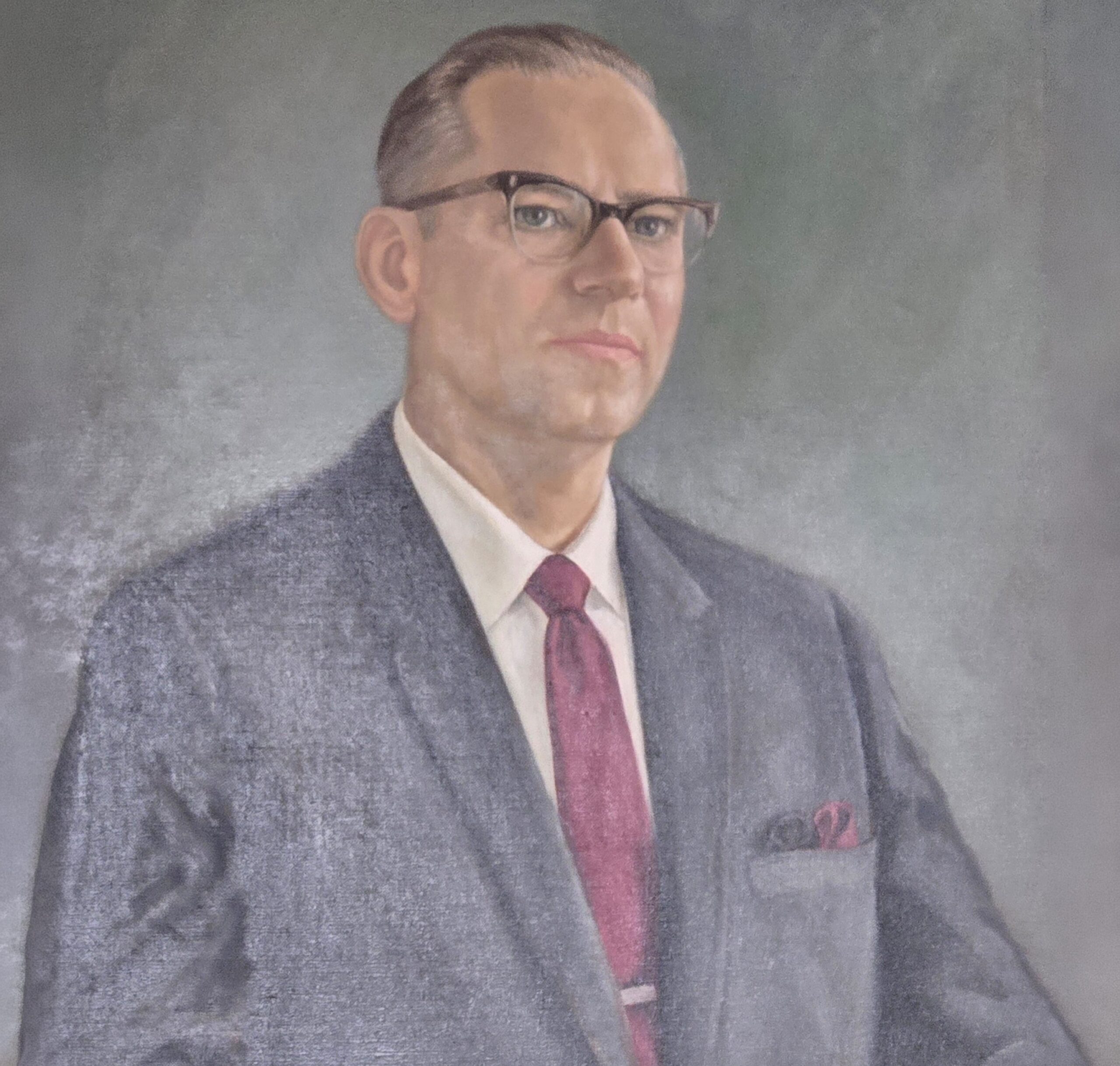
The Presidency of E. Clayton Calhoun (#8)
A Methodist minister, educator, and former missionary to China, Dr. E. Clayton Calhoun became Paine College’s eighth president in 1956.
The Modern Era
1957
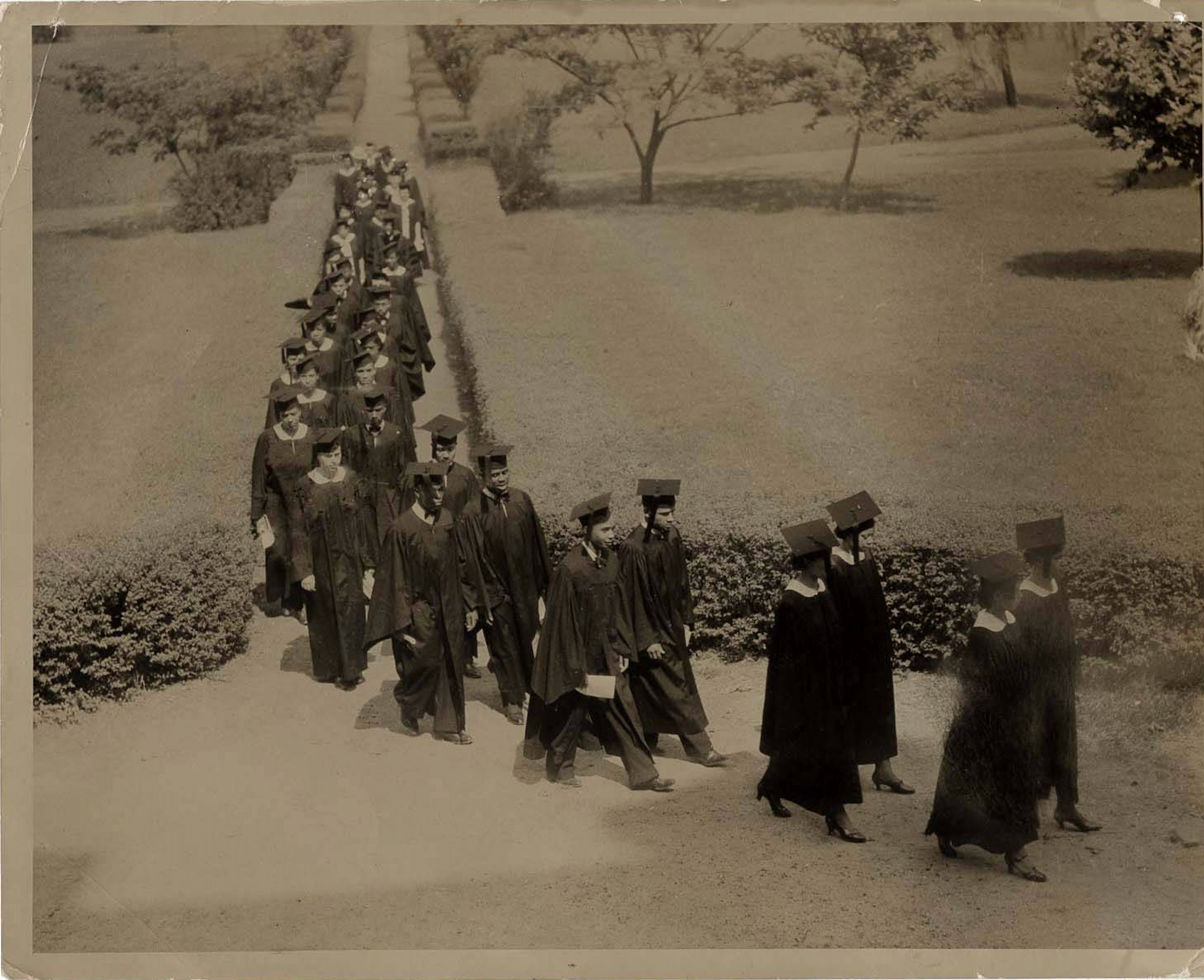
Commencement Walk
The Modern Era
1959
Approval by the University Senate
Paine College received approval from the University Senate of The Methodist Church.
The Modern Era
1960
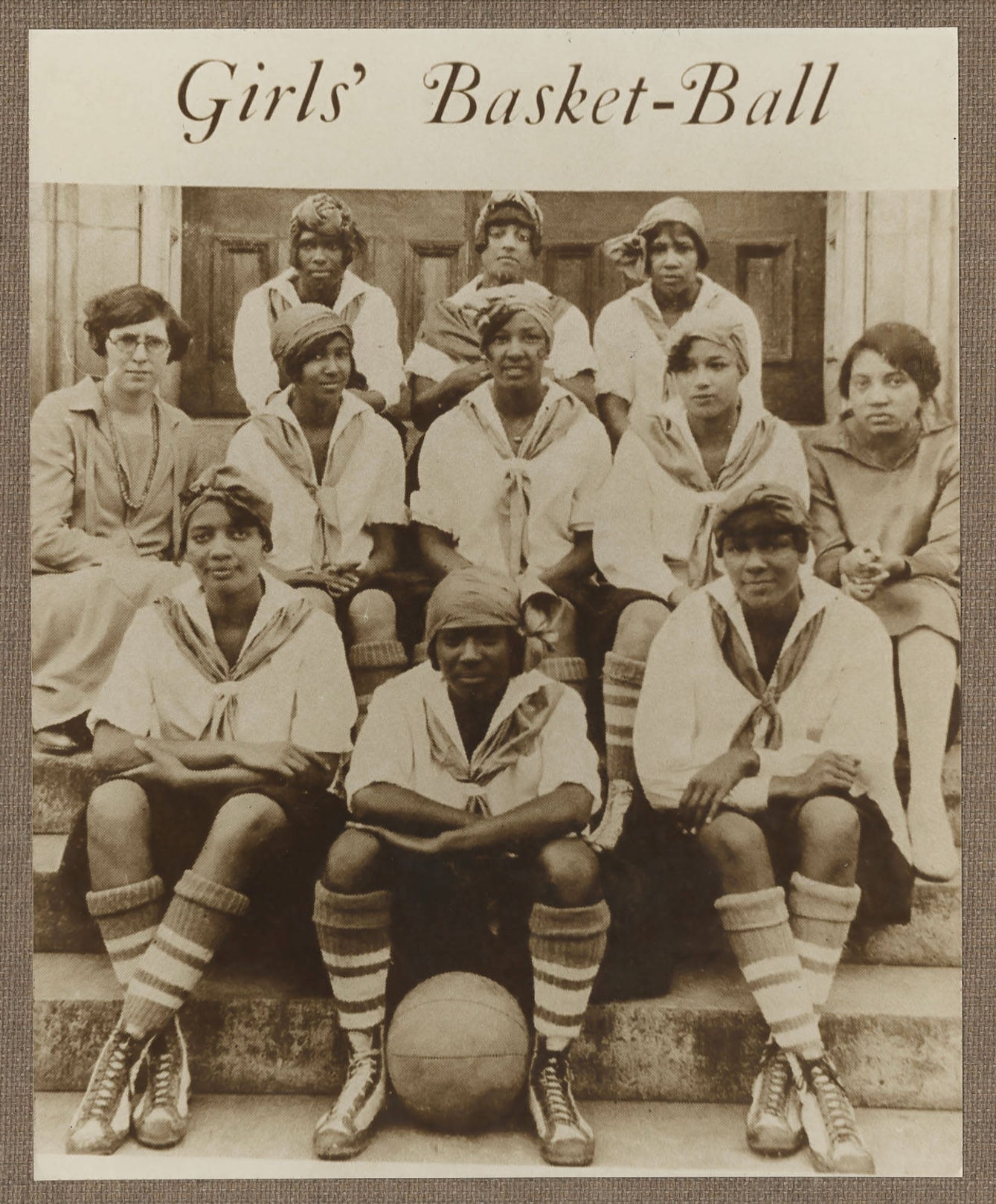
Basketball
The Modern Era
1961
Full Membership in the Southern Association
Paine College was admitted to full membership in the Southern Association of Colleges and Schools.
The Modern Era
1968
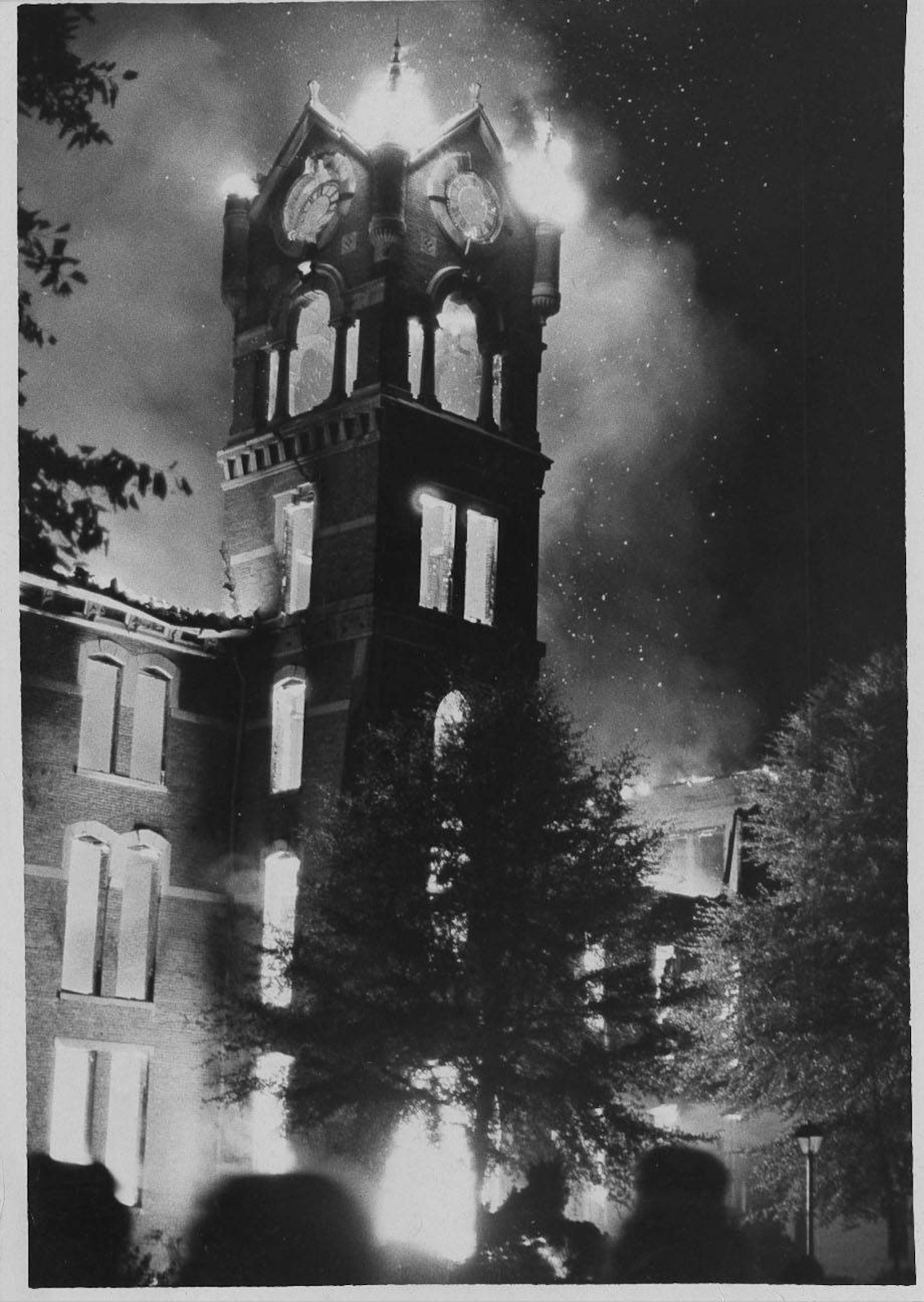
August 3, 1968
Destruction of Haygood Administration Building
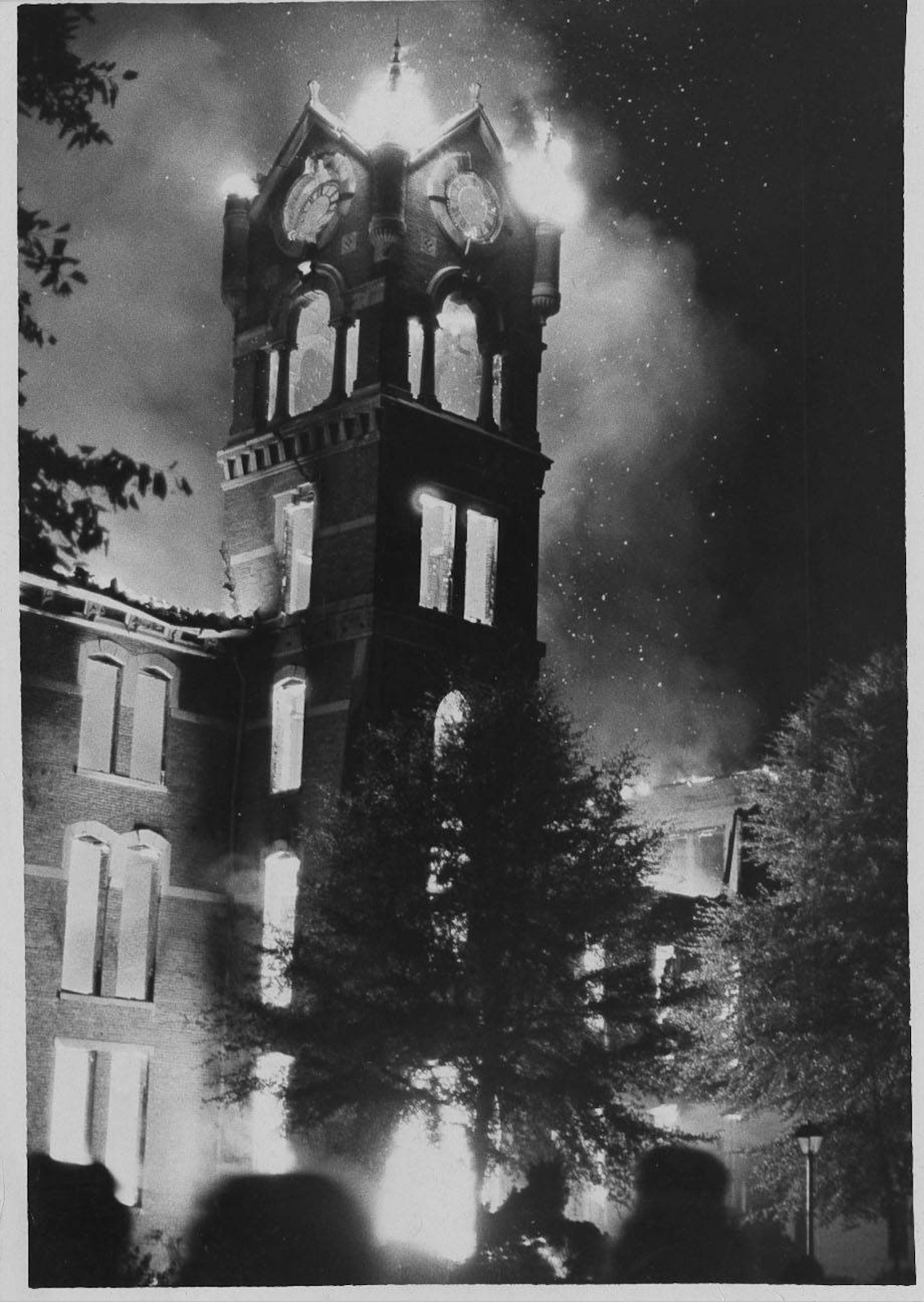
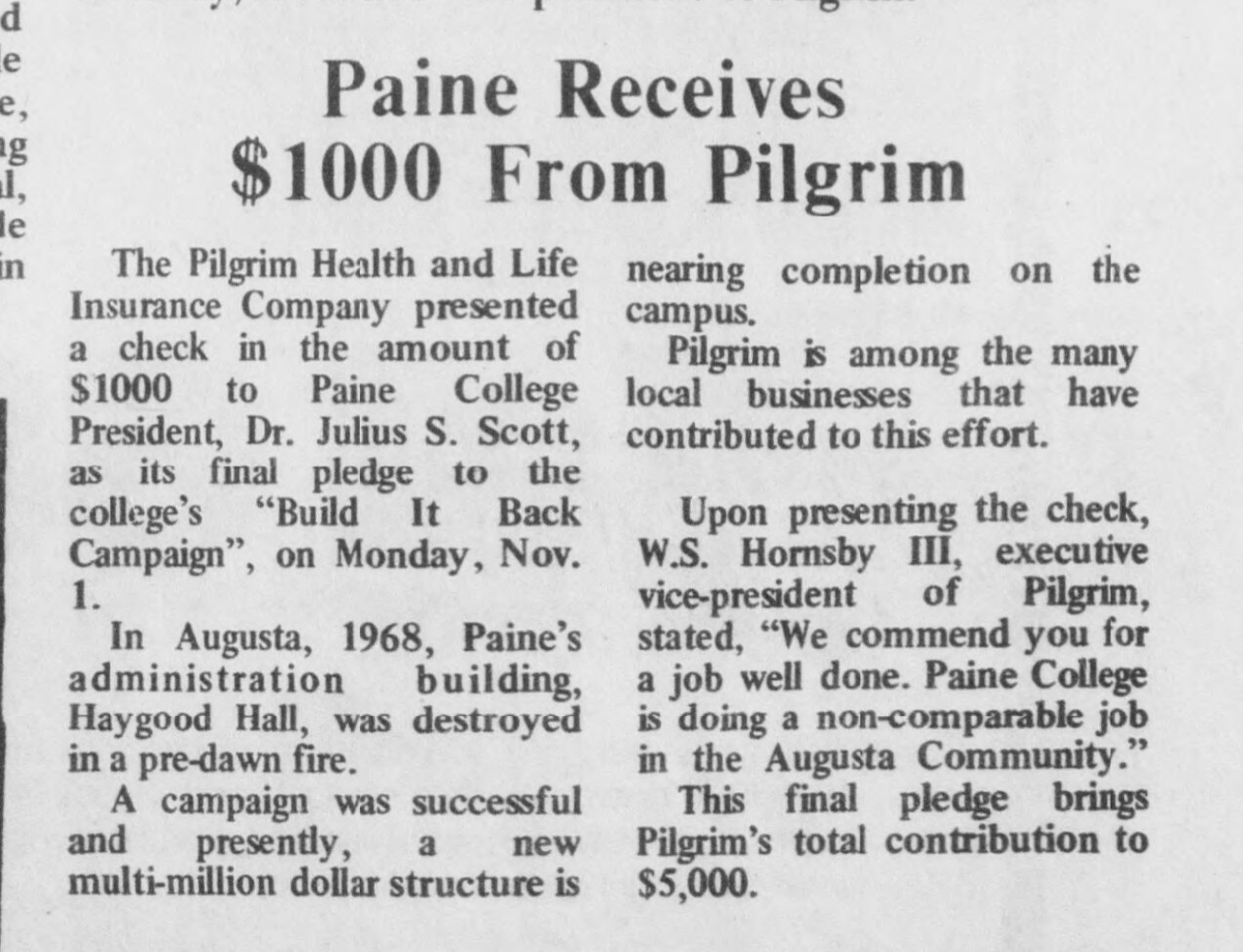
In the early morning hours of August 3, 1968, a devastating fire destroyed Haygood Hall, Paine College’s historic administration building and a prominent Augusta landmark since 1899. The blaze consumed the building’s iconic clock tower and destroyed an irreplaceable collection of African artifacts, along with valuable institutional records and historical documents. Although the cause of the fire remains uncertain, its impact on the College’s history was profound.
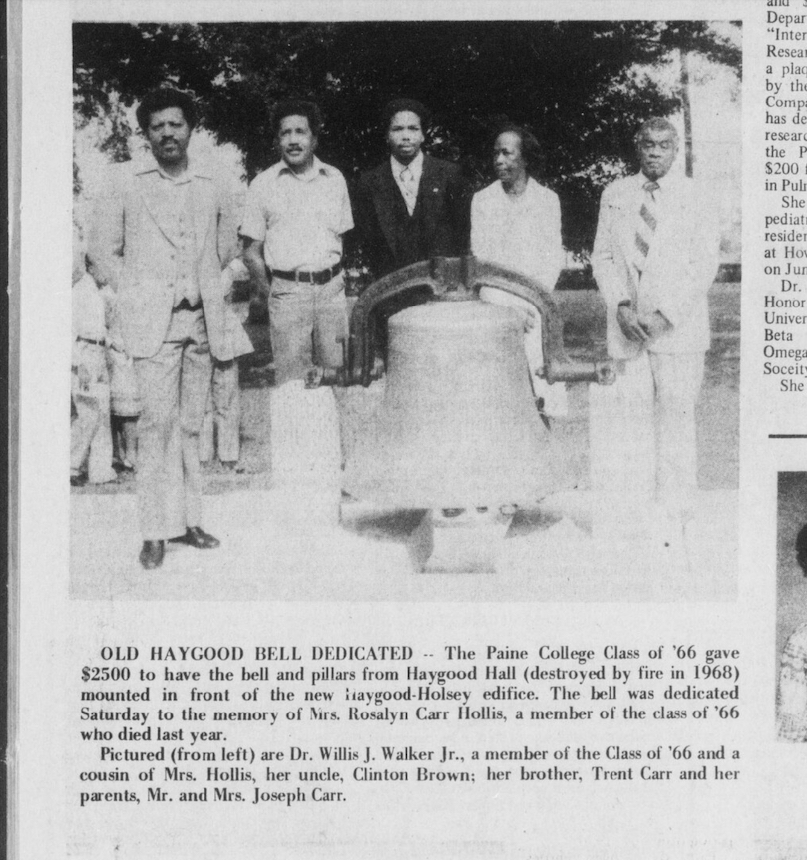
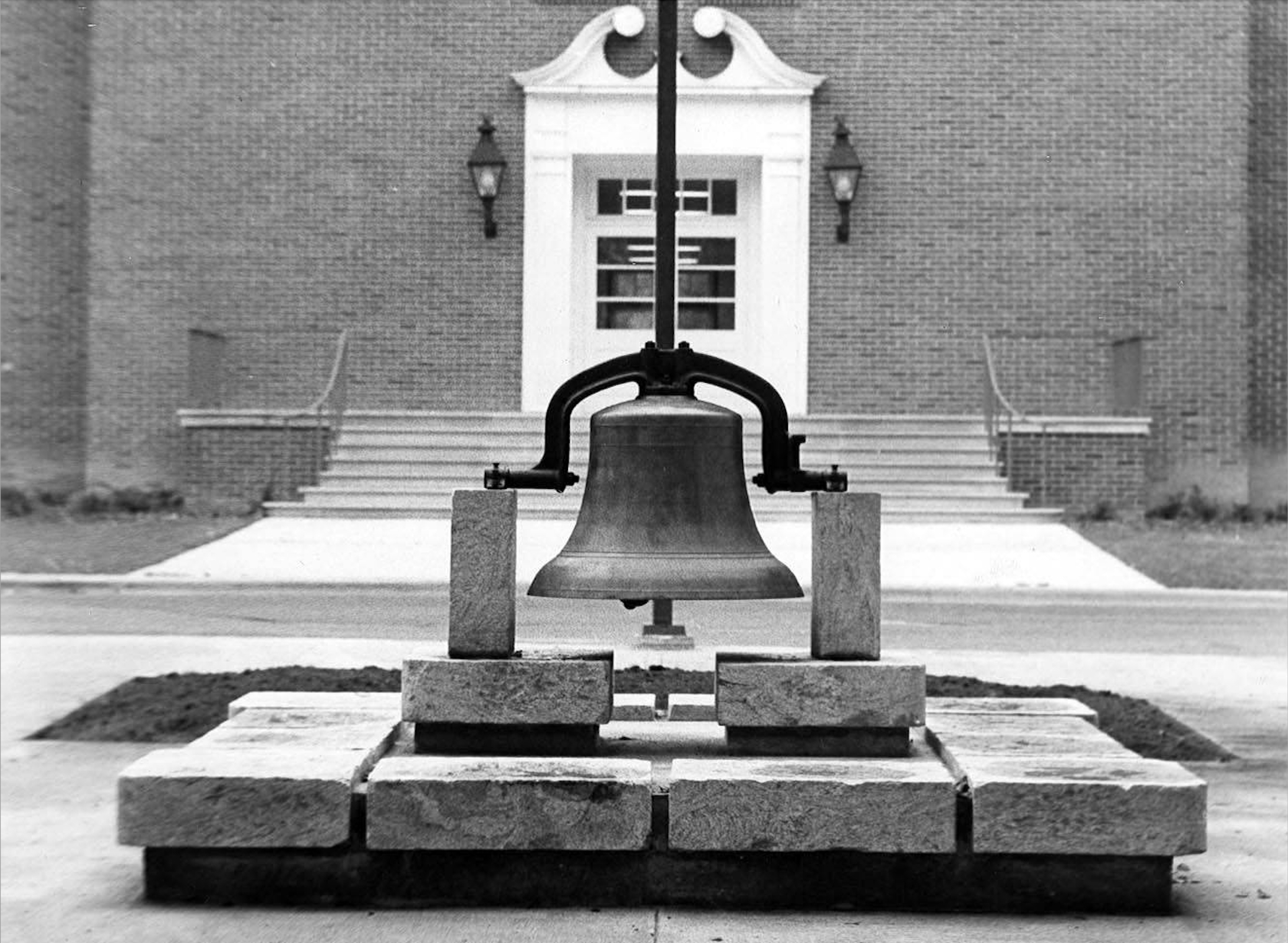
Under President Lucius Holsey Pitts, the College launched the Build-It-Back Program to restore the heart of its campus. The effort was carried forward by President Julius S. Scott Jr., culminating in the completion of Haygood-Holsey Hall in 1978. The original bell, salvaged from the ruins, remains a symbol of Paine’s enduring legacy.
The Modern Era
1971
1971 - February 25, 1974
First African American and Alumni President
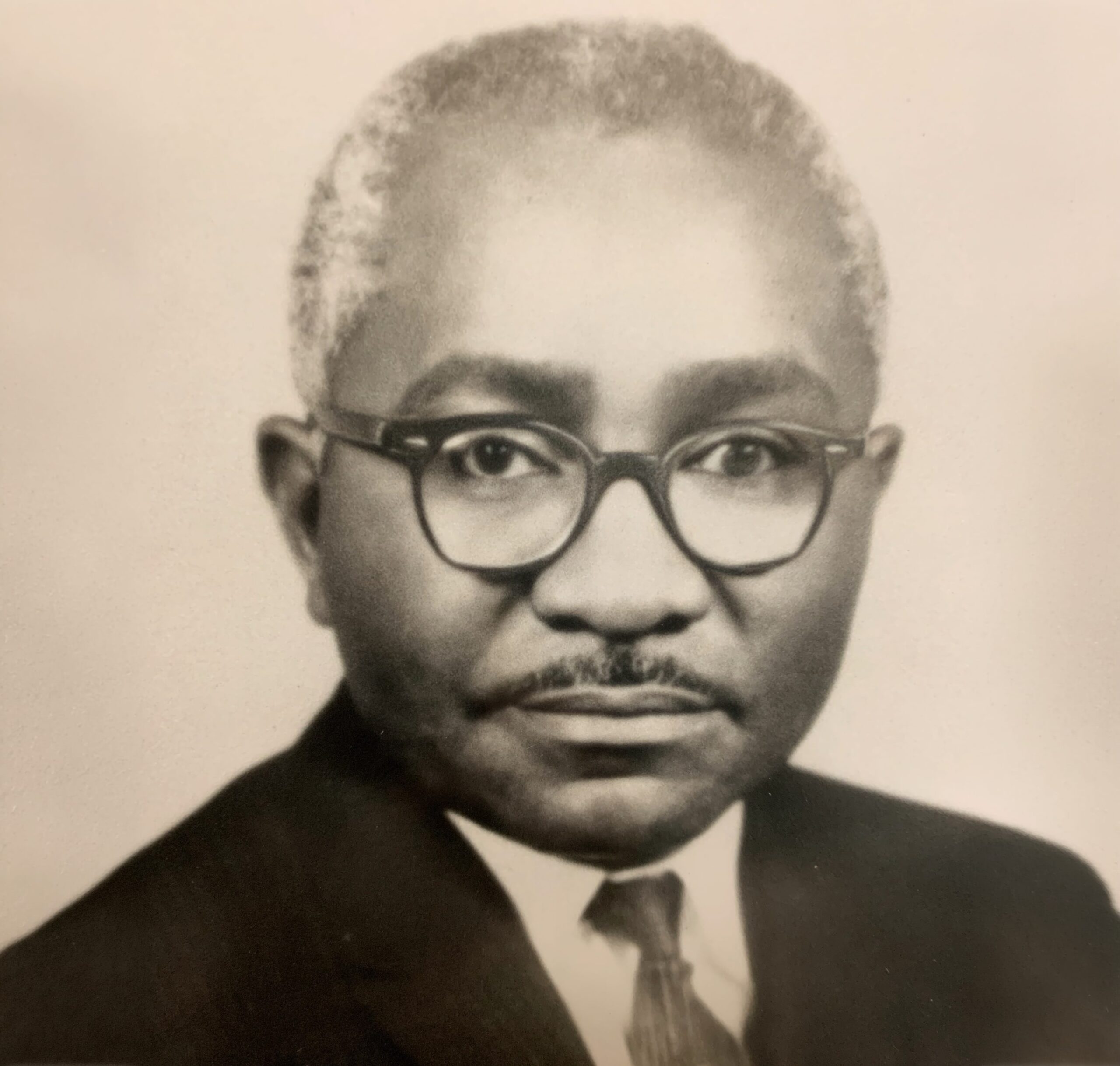
Lucius Holsey Pitts, a 1941 graduate of Paine College, returned to his alma mater in 1971 as the first Black president in its 90-year history, following the historic burning of the administration building.
President Pitts died unexpectedly in his office on February 25, 1974, before seeing the rebuilding of Haygood-Holsey Hall completed. The project was continued under President Julius S. Scott Jr. and completed in 1978. Pitts was laid to rest on the Paine College campus beside Gilbert-Lambuth Memorial Chapel.
The Modern Era
1972
Haygood Bell
The Modern Era
1975
1975-1982
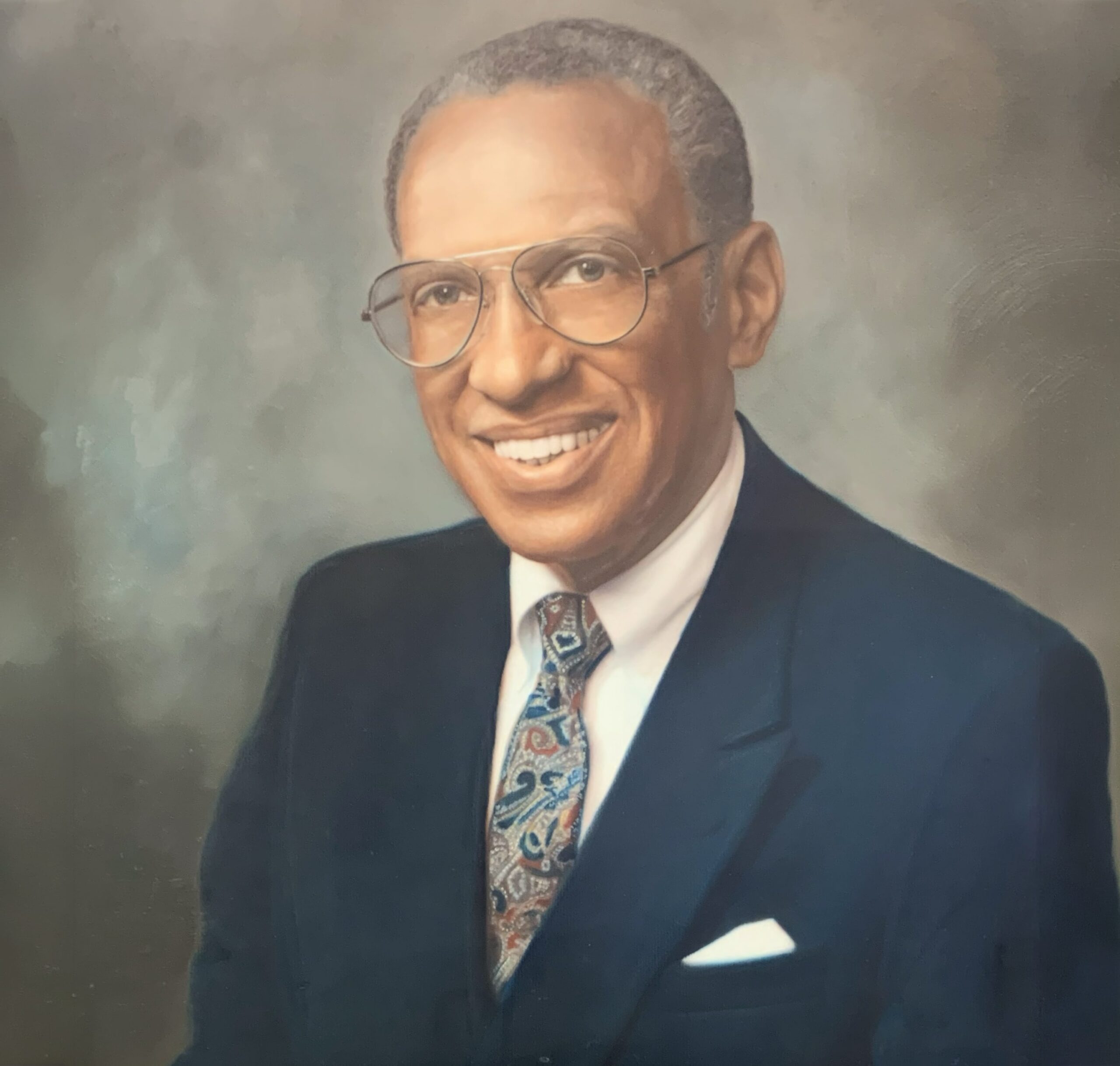
First Presidency of Julius S. Scott, Jr.
President Scott is the only president to have served two separate terms, returning six years after his first administration. During his first administration, he continued President Lucius Holsey Pitts’s vision of rebuilding Haygood Hall, overseeing the completion of Haygood-Holsey Hall in 1978.
His leadership emphasized academic excellence, campus modernization, financial stability, and stronger relationships between the College and the Augusta community. Invited to return in 1988, Scott served another six years before retiring in 1994, when he was named President Emeritus by the Board of Trustees.
The Modern Era
1982
1982-1988
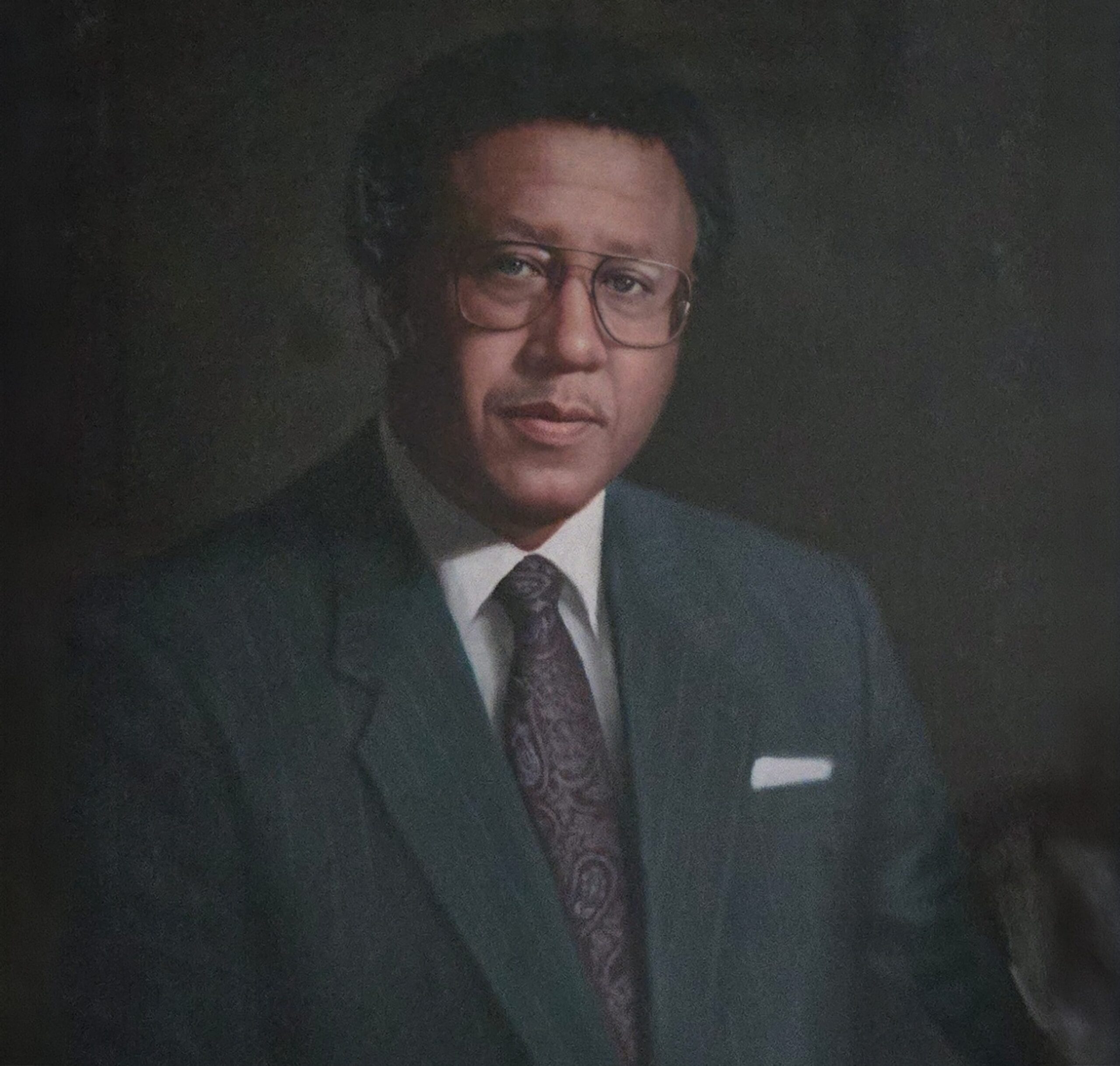
The Presidency of William Harris
Dr. Williams Hamilton Harris was a distinguished historian and educational leader who returned to his alma mater in 1982 to become Paine College’s 11th president. His six-year administration was marked by extraordinary financial growth, most notably increasing the College’s endowment from $500,000 to $5 million and securing funding for a new library.
The Modern Era
1988
1988-1994
Second Presidency of Julius S. Scott, Jr.
President Scott is the only president to have served two separate terms, returning six years after his first administration. During his first administration, he continued President Lucius Holsey Pitts’s vision of rebuilding Haygood Hall, overseeing the completion of Haygood-Holsey Hall in 1978.
His leadership emphasized academic excellence, campus modernization, financial stability, and stronger relationships between the College and the Augusta community. Invited to return in 1988, Scott served another six years before retiring in 1994, when he was named President Emeritus by the Board of Trustees.
The Modern Era
1994
1994-2007
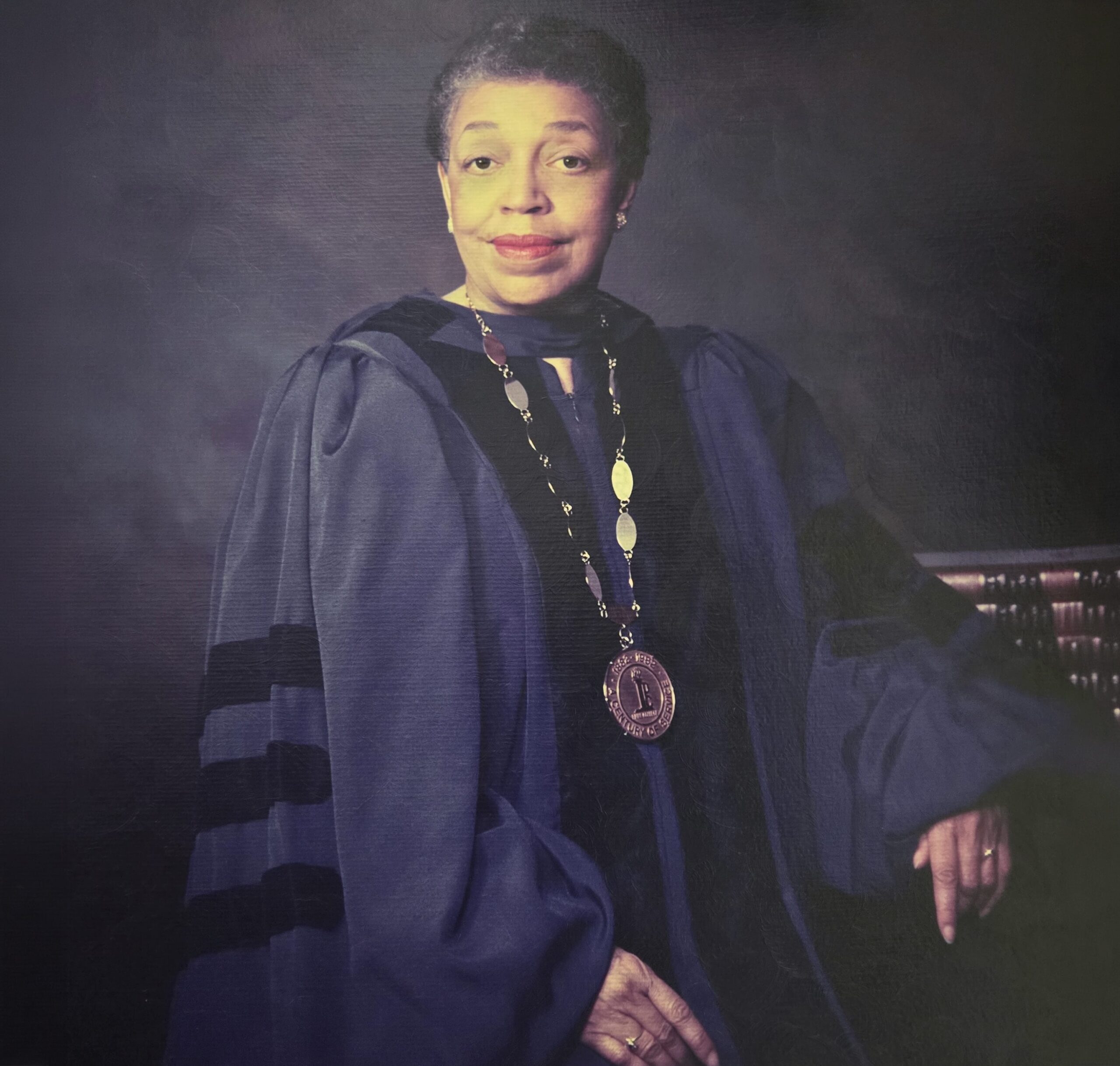
First Female President of Paine
Dr. Shirley A. R. Lewis made history in 1994 when she became the first woman to serve as President of Paine College in the institution’s 112-year history. An accomplished educator and advocate for historically Black colleges and universities, Lewis previously served as Executive Director of the United Methodist Church’s Black College Fund and held academic leadership positions at Meharry Medical College. During her thirteen-year presidency, she guided efforts to modernize academic programs, expand technology and research initiatives, strengthen enrollment, and elevate the College’s national profile. A strong advocate for educational accessibility, Lewis also testified before Congress on the importance of financial assistance for low-income students. In 2011, the Paine College Board of Trustees honored her contributions by naming her President Emeritus.
The Modern Era
1995
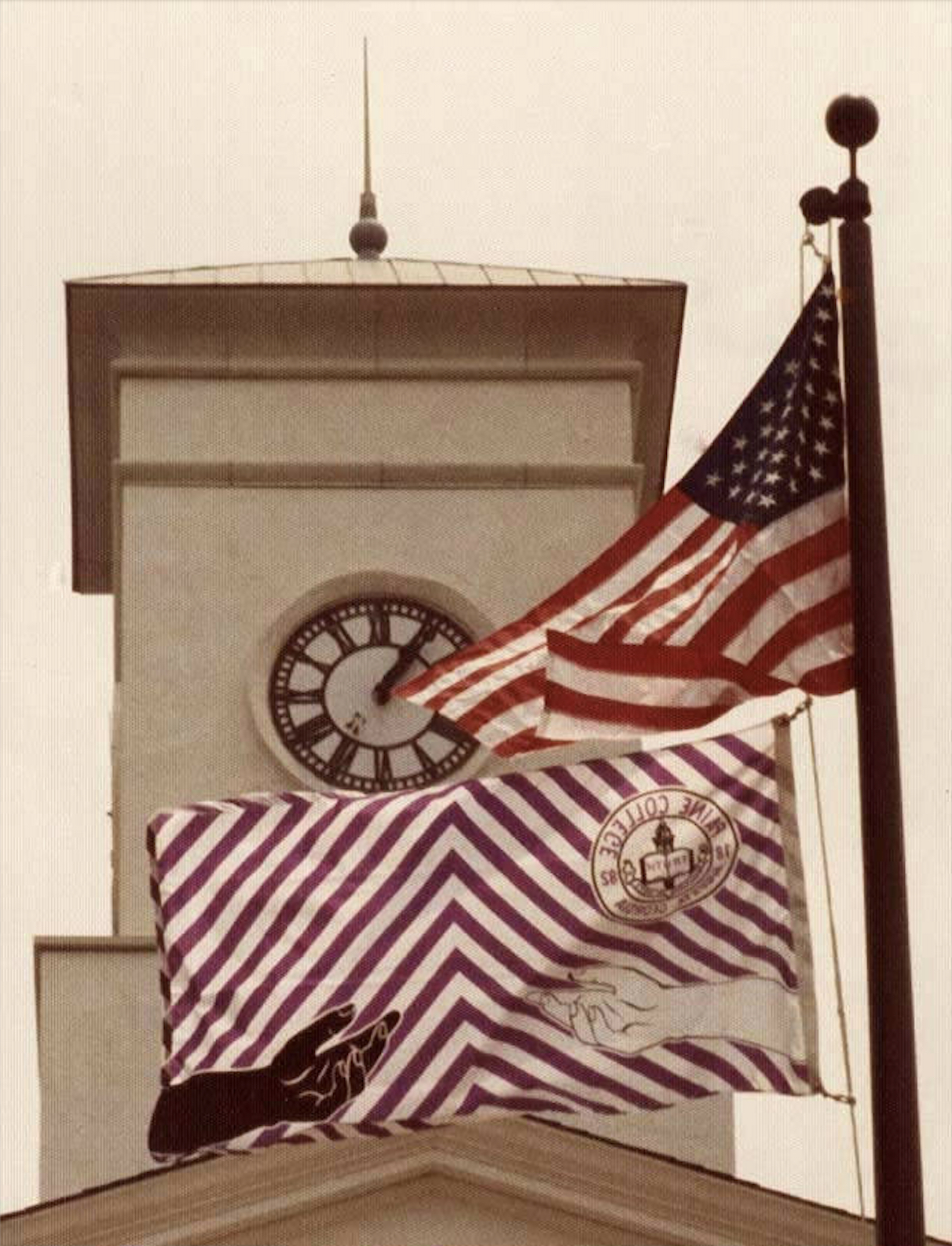
Paine Flag
The Twenty-First Century
2007
2007- September 16, 2014
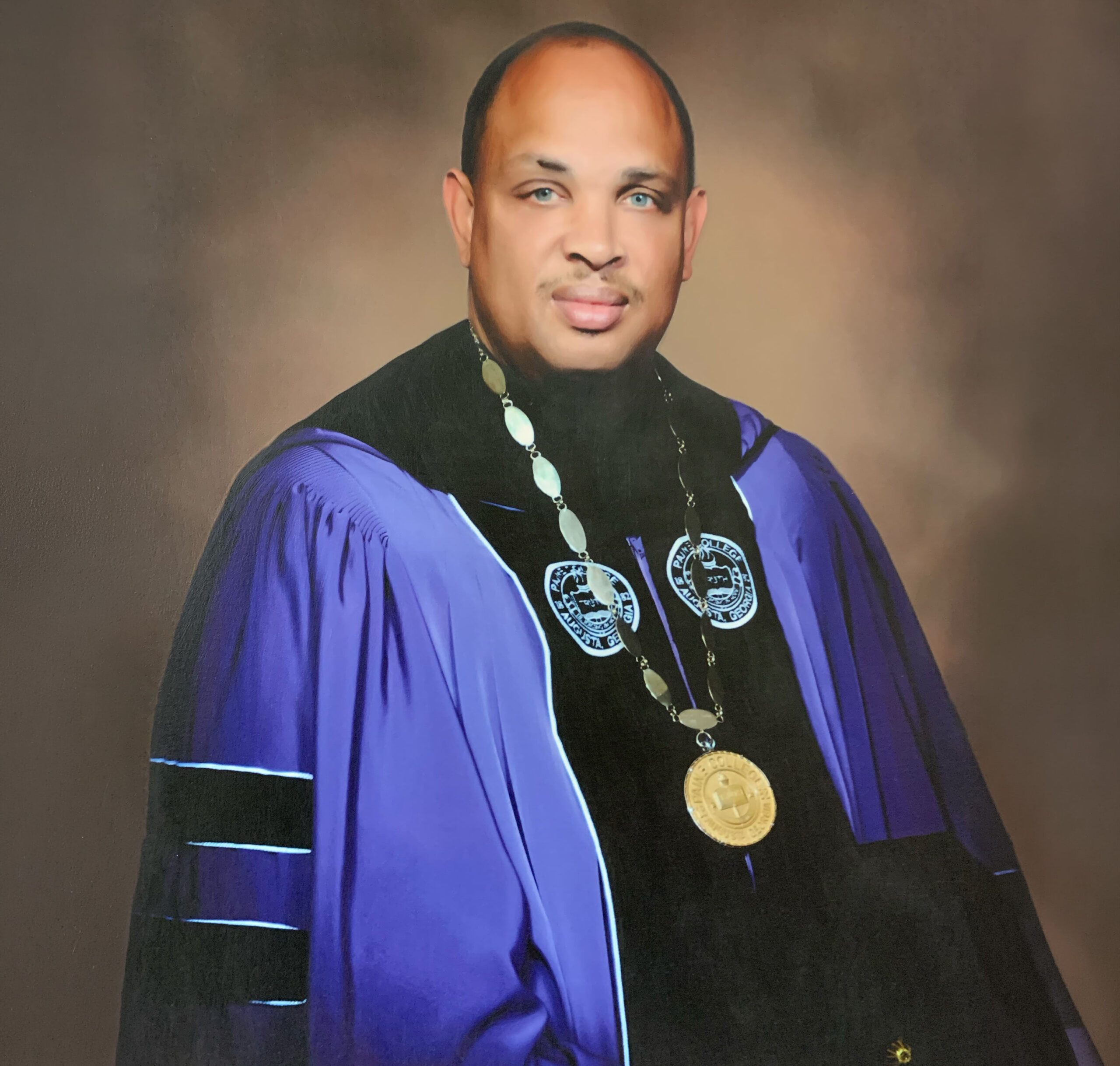
George C. Bradley Appointed President
President Bradley became the fourteenth President of Paine College. He worked to expand community relationships in Augusta, Georgia, while emphasizing student recruitment, alumni engagement, and church support. Bradley also launched a $14 million campaign that funded the construction of the Health Education Activities Learning (HEAL) Complex. In addition, his administration initiated campus improvement projects and long-term strategic planning for facilities and academic programs.
He concluded his presidency in 2014, after which the Board of Trustees appointed new leadership to guide institutional restructuring and ensure accreditation compliance.
The Twenty-First Century
2014
September 2014 - 2017
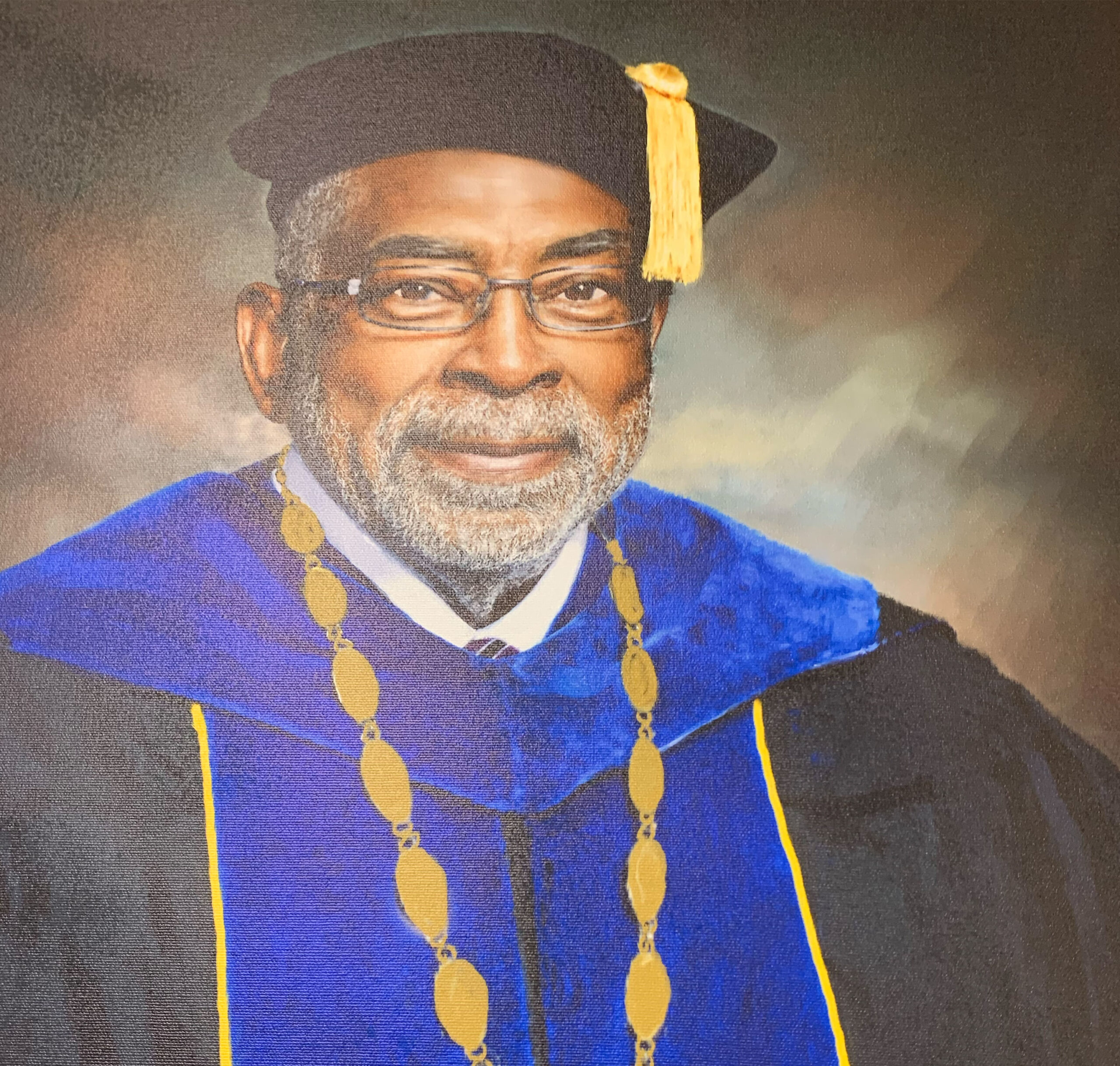
Samuel Sullivan Named Interim President
Following Dr. Bradley’s departure, the Board of Trustees appointed Dr. Samuel Sullivan as Interim President. Samuel Sullivan was later appointed President, making his full tenure at Paine College from 2014 to 2017. President Sullivan served during a particularly challenging period in the institution’s history. During his tenure, Sullivan worked to stabilize the college and address compliance issues.
The Twenty-First Century
2017
June 2017-2019
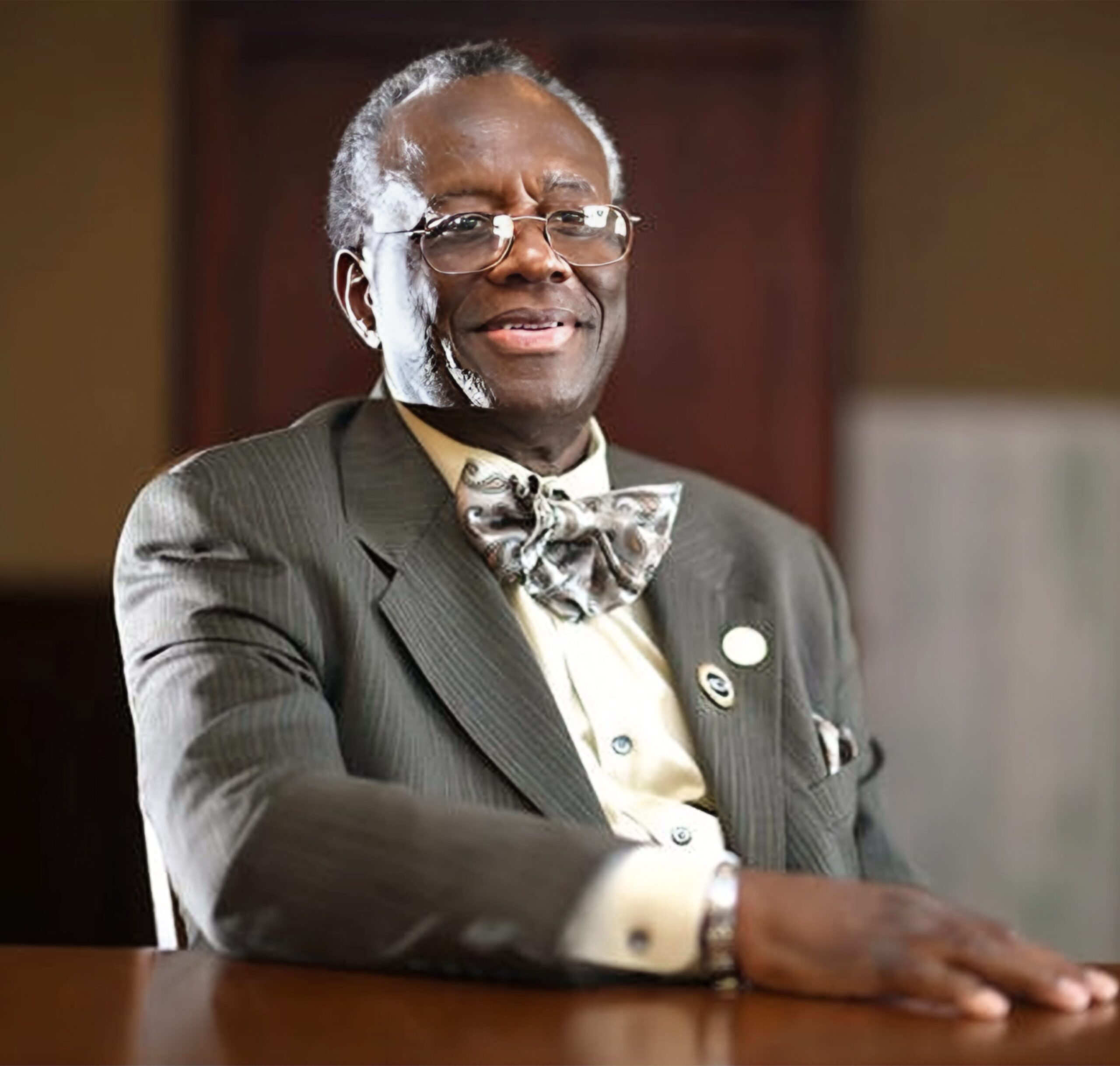
Jerry L. Hardee Appointed President
The Board of Trustees appointed Dr. Jerry L. Hardee to lead the College.
During the first nine months of his administration, Paine College completed more than $1.5 million in renovations, resumed fundraising events, reactivated the Office of Alumni Relations and the College Bookstore, and introduced new publications and student offerings.
Dr. Hardee served until June 2019.
The Twenty-First Century
2018
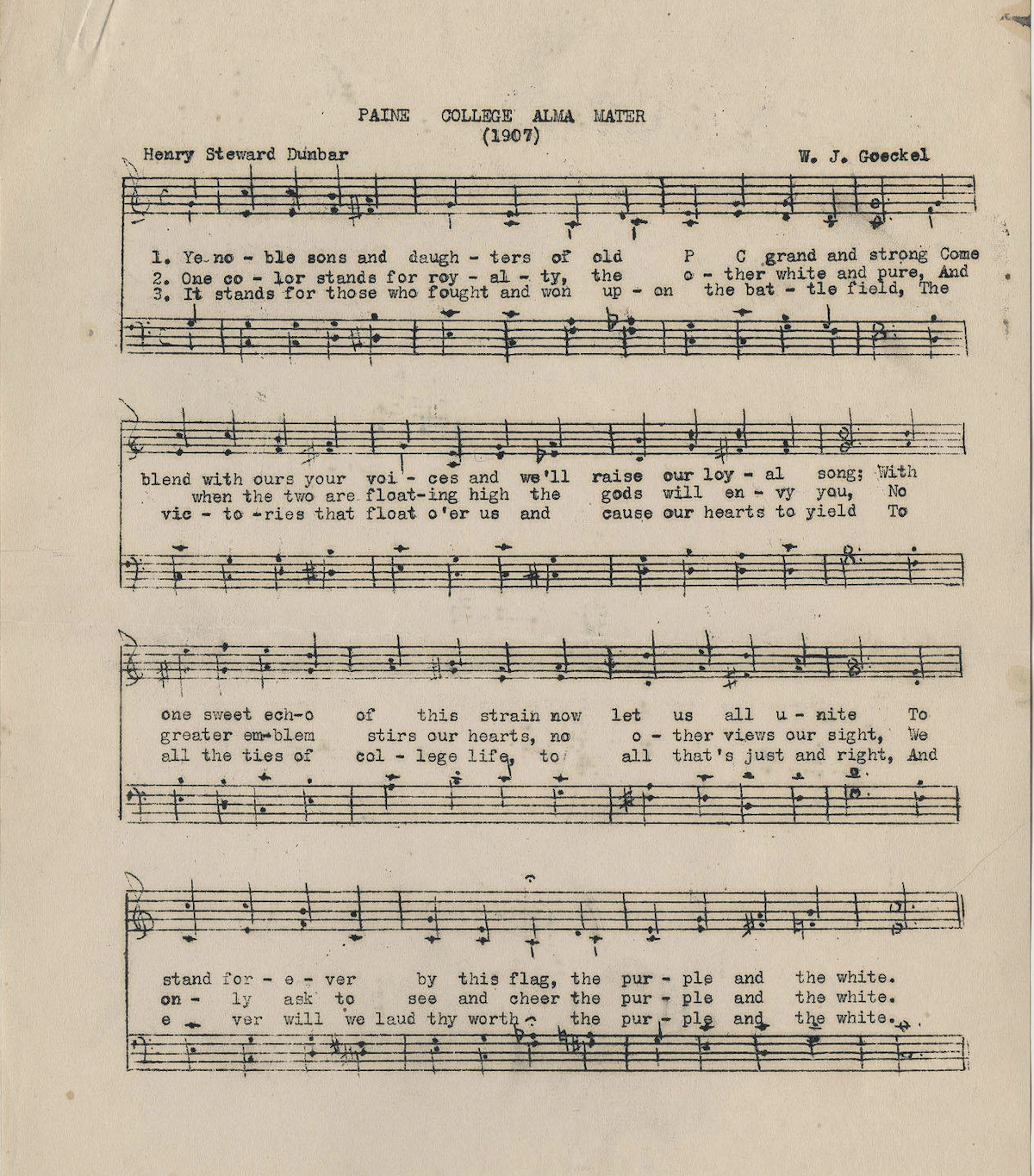
Alma Mater
The Twenty-First Century
2019
October 2019 - 2024
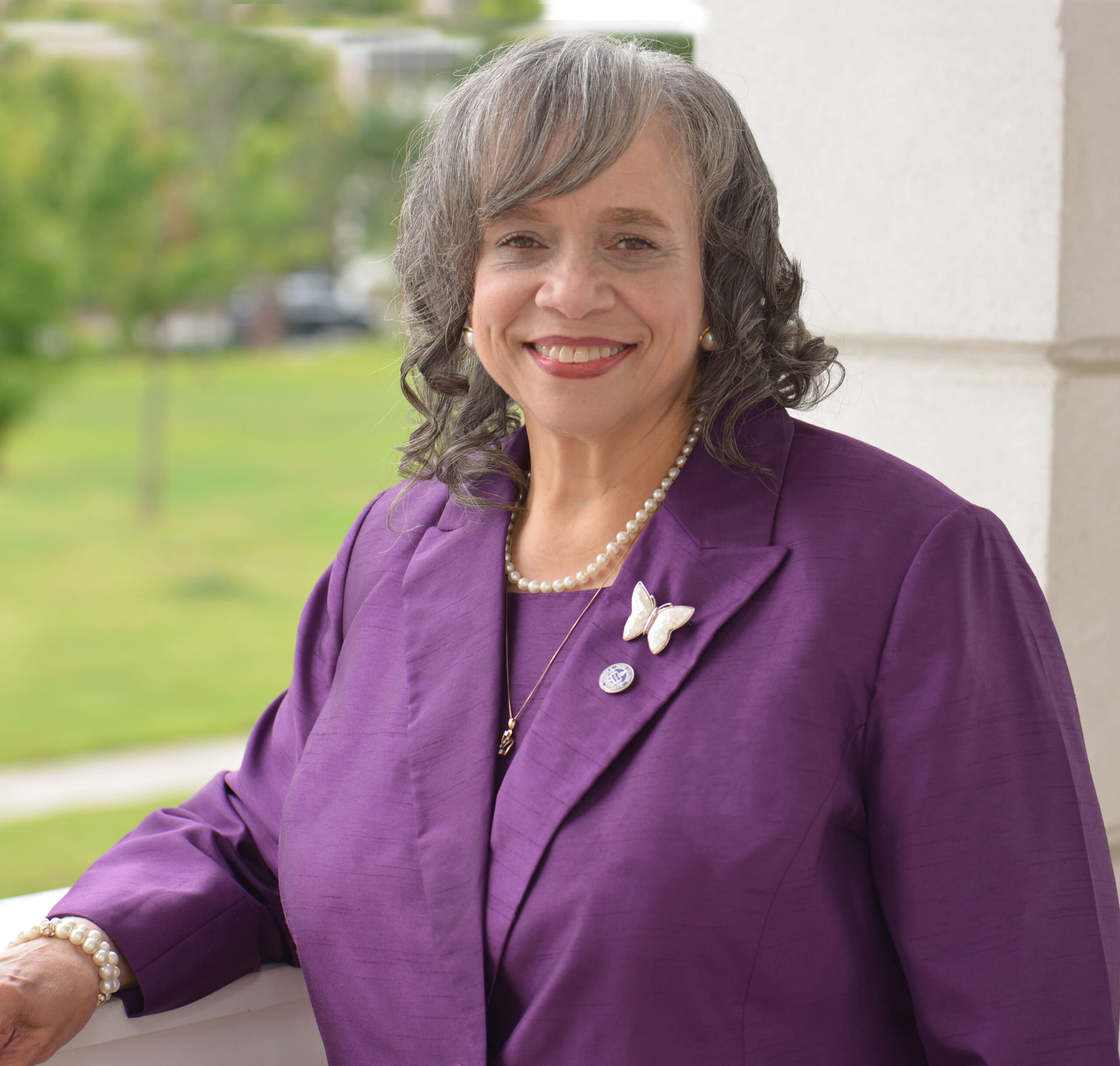
Appointment of President Cheryl Evans Jones
An educator, psychologist, and longtime member of the Paine College community, Dr. Cheryl Evans Jones became the institution’s seventeenth president in October 2019. Having joined the College as an Assistant Professor of Psychology in 1993, she advanced through numerous academic and administrative positions, including Provost and Vice President for Academic Affairs.
Following the retirement of President Jerry L. Hardee, Jones was appointed Acting President in July 2019 before formally assuming the presidency that October. Her administration marked a critical period of institutional renewal, highlighted by the achievement of accreditation through the Transnational Association of Christian Colleges and Schools (TRACS), the expansion of distance education, and accreditation of the College’s Business Administration program. Jones also guided Paine through the COVID-19 pandemic and established a historic partnership with Augusta National Golf Club, resulting in new endowed scholarships and the College’s first women’s golf team.
She retired in June 2024, concluding 31 years of service to Paine College.
The Twenty-First Century
2025
January 1, 2015 - Today
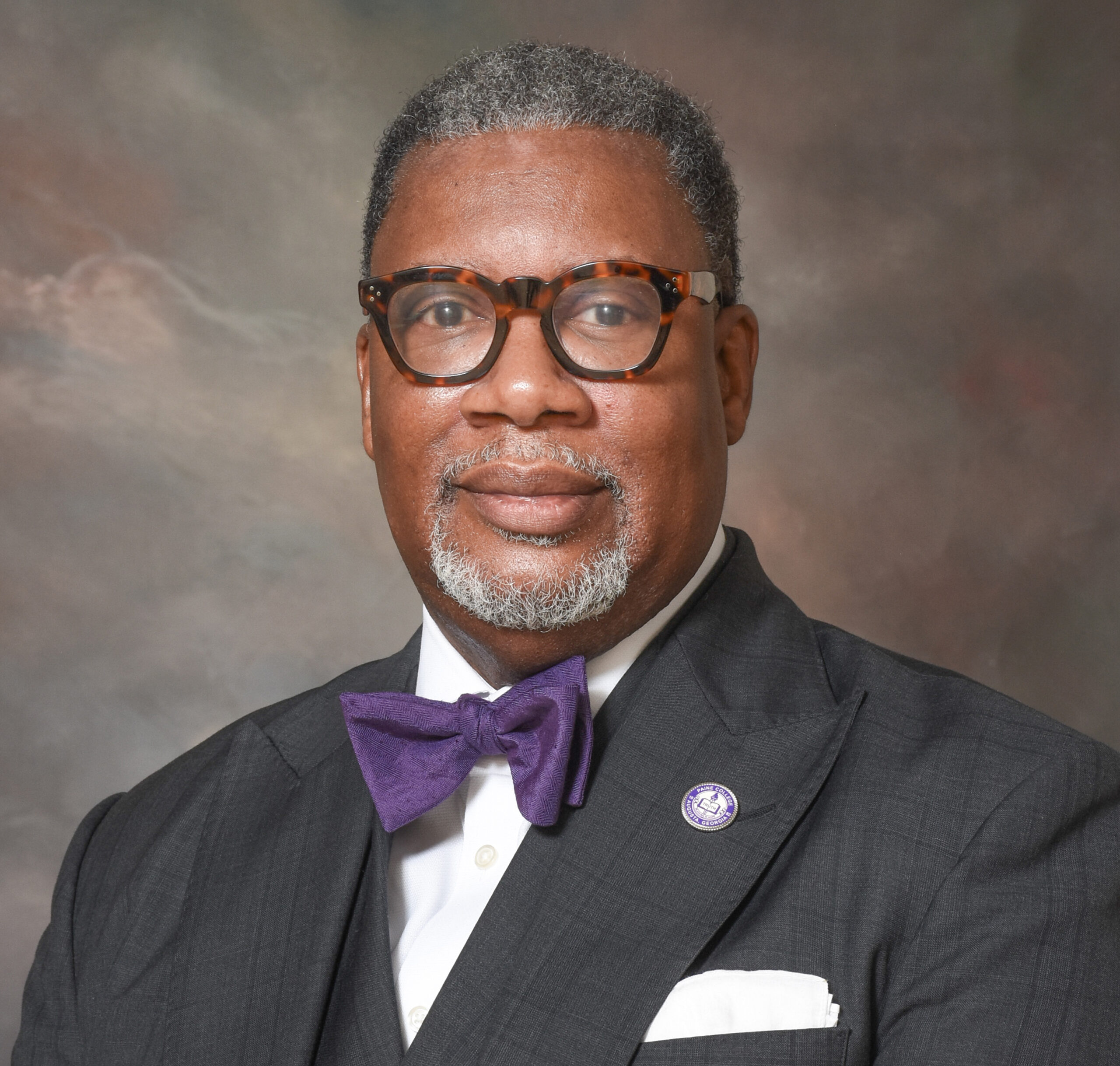
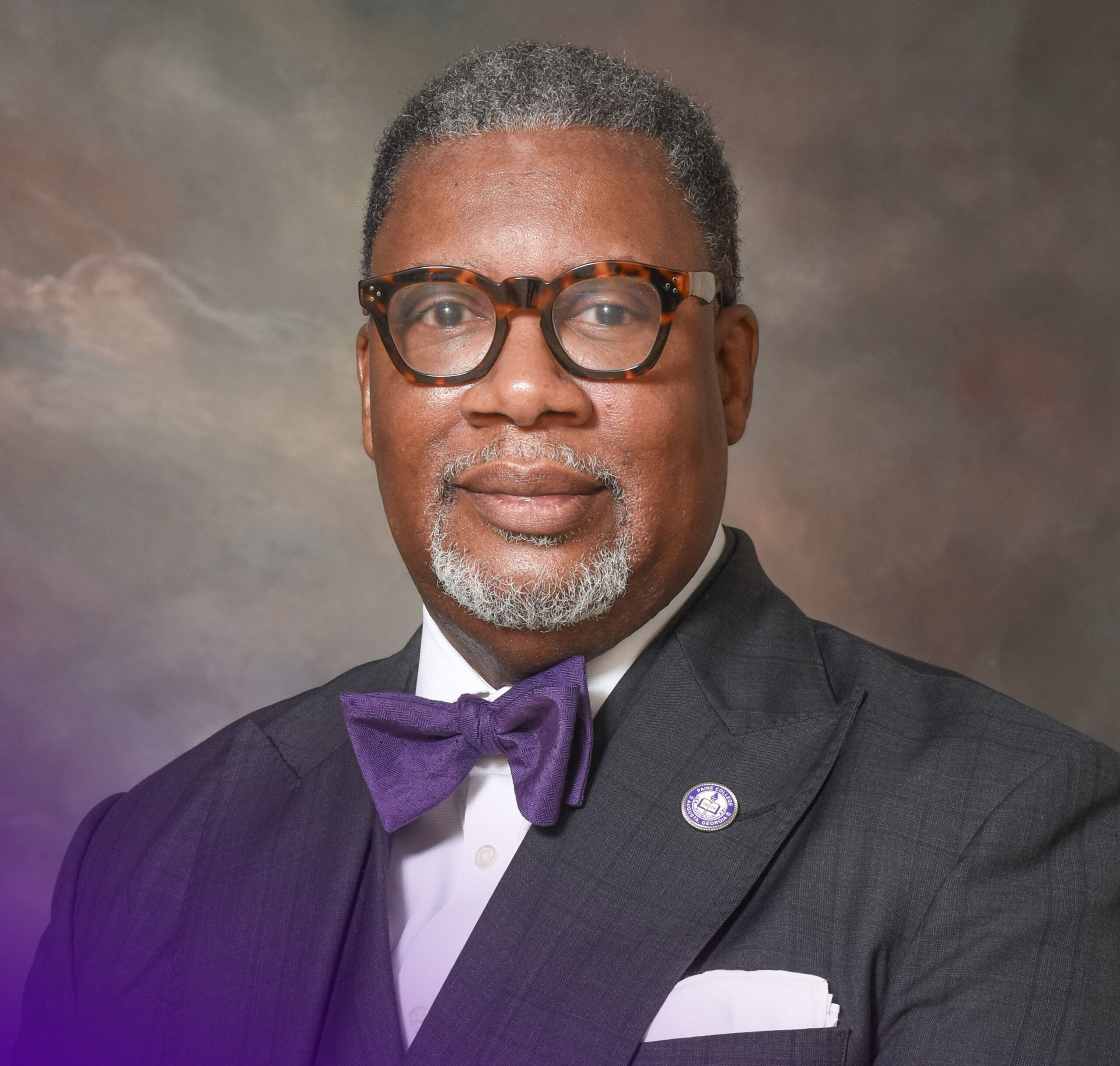
Lester A. McCorn Appointed 18th President of Paine College
A minister, scholar, and experienced higher education administrator, Rev. Dr. Lester A. McCorn became Paine College’s eighteenth president on January 1, 2025. A graduate of Morehouse College with advanced theological and leadership training, McCorn previously served as President of Clinton College in Rock Hill, South Carolina, where he guided significant institutional growth and campus development.
His leadership at Paine marks a new era of transformation, centered on expanding academic opportunities, revitalizing historic campus facilities, strengthening community partnerships, and advancing long-term institutional sustainability. Under his administration, the College adopted Paine 2036: Transformation for Preparation, an ambitious strategic plan envisioning new academic programs, Centers of Excellence, and campus improvements. McCorn was formally invested as president on September 18, 2025, emphasizing the College’s enduring mission and its preparation for future generations.
The Twenty-First Century
2026
Paine College Today
Founded through the cooperation of the Methodist Episcopal Church, South (now part of the United Methodist Church), and the Colored Methodist Episcopal Church (now the Christian Methodist Episcopal Church), Paine College remains a coeducational, church-related liberal arts institution.
The College continues its relationship with its founding denominations and maintains its commitment to providing educational opportunities to students of all backgrounds.